This post contains affiliate links. We may earn a small commission when you buy through our links — at no extra cost to you.
A pellet grill is supposed to buy back your Saturday: fill the hopper, set a temperature, and let wood smoke do the work. The wrong one turns that into a babysitting job—temperature swings, a jammed auger, an app that drops the connection the moment you walk inside. The right one gives you steady heat, clean smoke, and build quality that doesn’t feel like a tinfoil tray after two seasons.
Over the past eight months, my team and I have lived with seven pellet grills, assembling each from the box and cooking everything from weeknight chicken thighs to an overnight pork butt. We noted lids that didn’t seal, controllers that overshot by 50 degrees, and apps that needed a Wi-Fi reset every time the wind blew. The picks below earned a permanent spot on the patio—not just a first impression in the showroom.
Best for All-Round Backyard Cooking
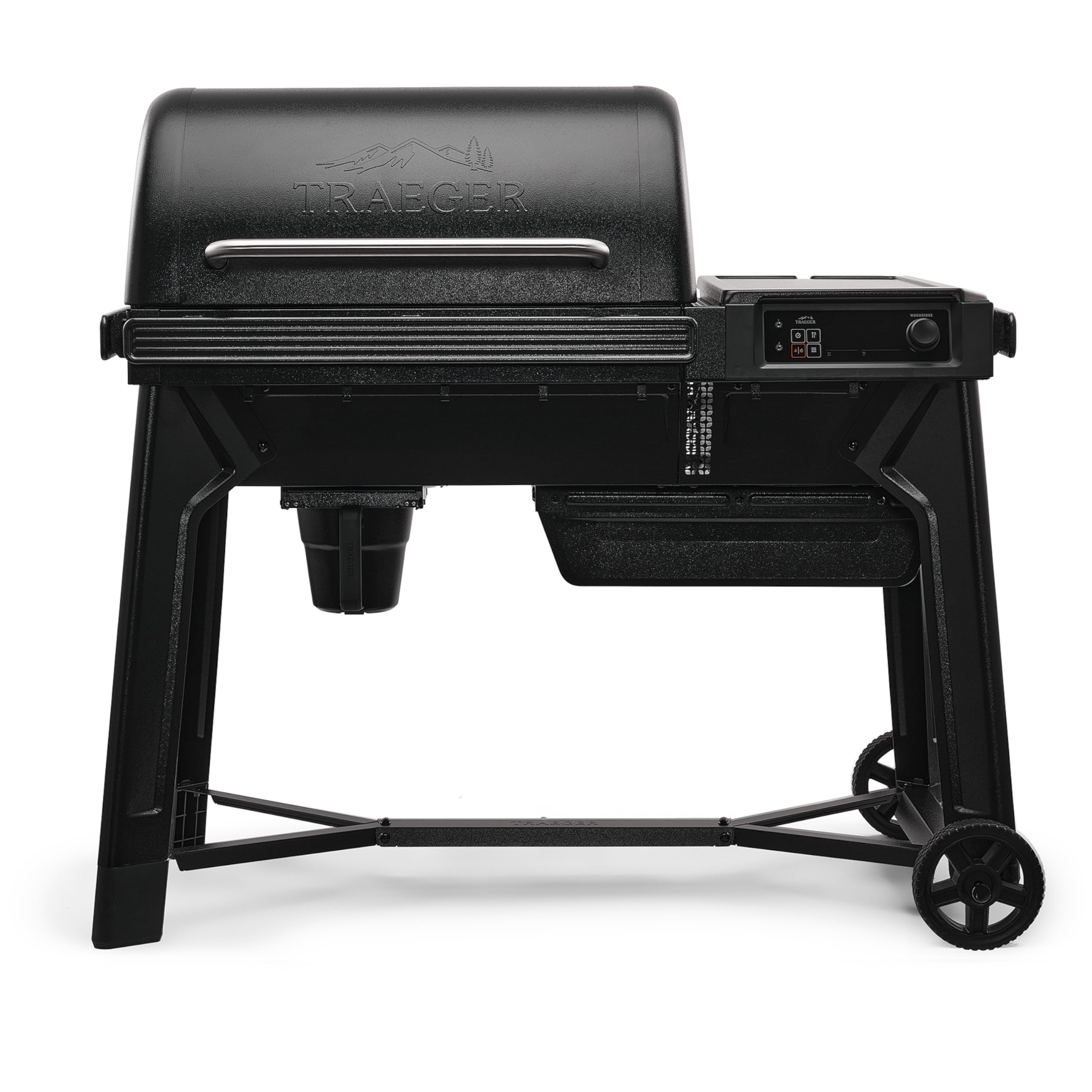
Traeger Woodridge
Key Features
- Control: WiFIRE app and meat probe
- Warranty: 10-year limited
- Cooking area: 860 sq. in.
- Temperature range: 180–500°F
- Price: Premium
The part of the Woodridge we keep coming back to is the least exciting one: a keg under the fire pot that catches ash and grease together, so the end of a long cook is a two-minute job instead of a scraper-and-shop-vac afternoon. That’s why it’s our top pick. A pellet grill only earns the patio space it takes up if you use it on a Tuesday, and the ones that get used are the ones that don’t punish you afterwards.
Everything above the fire pot is sorted too. There are 860 square inches of cooking area — the listing translates that as six chickens, eight racks of ribs or six pork butts — and the controller runs from 180°F to 500°F, the top of that range being where several grills here stop short. The WiFIRE app mirrors the set temperature and the meat probe on your phone, and we used it far more than we expected: watching a pork butt from the kitchen without lifting the lid is the difference between a relaxed cook and a fidgety one.
It also heats quickly and then settles rather than hunting, which is the behavior we watch for on a long cook and not something every grill here manages. Durability is the open question, and it’s the reason the 10-year limited warranty matters as much as it does — it’s the longest coverage in this group and worth more than a sturdier-sounding spec sheet on a machine that lives outside.
What settles it is range plus supervision: 180°F overnight, 500°F when the chicken skin needs to crisp, and an app that reports on both without a lid opening. If your cooking is all low and slow, the Z Grills below is the smarter buy; if it’s both, this is the grill that covers the whole year.
Pros
- Ash and grease collect in one removable keg
- 860 sq. in. handles a crowd
- 180–500°F range with app monitoring
- Longest warranty in this set
Cons
- No bottom shelf or rear casters
- Controls take a few cooks to learn
Our top pick for anyone who wants to smoke and grill on one machine: 180–500°F, app monitoring, and an ash-and-grease keg that turns cleanup into a two-minute job.
Best for Low-And-Slow Value
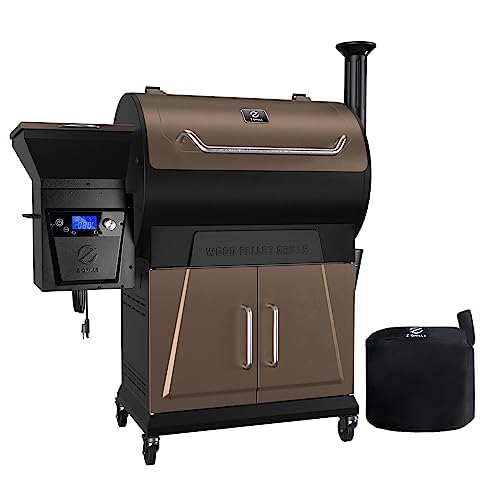
Z Grills VC-700D6
Key Features
- Probes: Two built-in meat probes
- Insulation: Dual-wall insulated base
- Cooking area: 697 sq. in.
- Temperature range: 180–450°F
- Price: Midrange
If the Woodridge is where we point most buyers, this is where we point the budget. The VC-700D6 gives you 697 square inches, a 180°F to 450°F PID controller, two built-in meat probes and a double-walled base for a good deal less money, and on paper the gap between the two is narrower than the price gap suggests.
The insulation is the detail we care about most. A dual-wall base holds heat when the wind picks up, so the controller isn’t fighting the weather and the hopper isn’t emptying as fast — across a winter of Sunday cooks, that adds up. Two probes mean a pork butt and a chicken can ride together without either one being opened to check, and the hopper cleanout lets you swap pellet flavors without scooping by hand. Assembly is a one-afternoon job, easier with a second pair of hands for the lid.
The honest limit is the ceiling: 450°F, fifty degrees below the Traeger, so steaks come off grilled rather than seared and pizza night needs a stone and patience. For low-and-slow cooking — what most of us buy a pellet grill to do — that costs you nothing, and the insulation means it holds a set point in weather that would have lighter grills chasing temperature. If a hard sear is part of your week, the Pit Boss 500 is the better spend.
Pros
- Dual-wall base holds heat in cold weather
- Two built-in meat probes
- Hopper cleanout makes flavor swaps easy
- 697 sq. in. on a 180–450°F PID controller
Cons
- Dents and crooked doors on arrival
Buy this one if you mostly smoke: it holds temperature in cold weather, runs two probes at once, and costs a good deal less than our top pick.
Best for High-Heat Searing
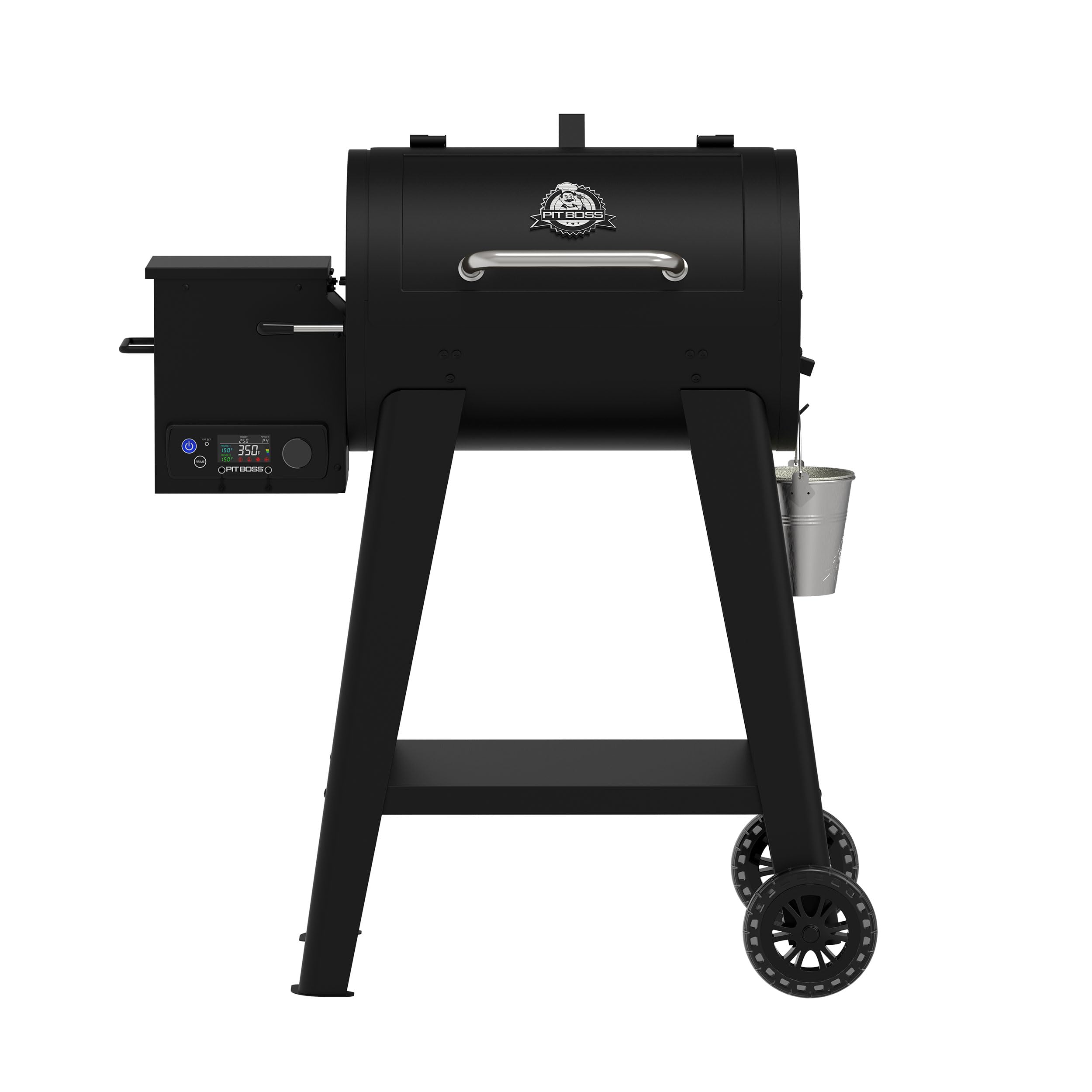
Pit Boss 500 FB2
Key Features
- Hopper: 5 lb
- Sear zone: Flame broiler up to 1,000°F
- Cooking area: 518 sq. in.
- Temperature range: 180–500°F in 5°F steps
- Price: Midrange
A lever on the front of the Pit Boss 500 slides the heat plate open and puts your steak directly over the fire pot, a zone the listing rates at up to 1,000°F. That’s a different proposition from everything else here — most pellet grills top out around 500°F and sear by convection, which browns food nicely but never gives you the crust of direct flame. We opened the broiler for steaks and left it shut for everything else, and both modes did their job.
The rest of the machine is sized for a family: 518 square inches, 180°F to 500°F in five-degree steps, an LCD controller, a meat probe and a solid bottom shelf that keeps pellets and tools off the ground. At 136.6 pounds it isn’t a grill you move on a whim, so pick its spot before you build it.
The trade is pellet capacity. Five pounds is fine for burgers and a couple of hours of smoke, but a brisket will need a refill somewhere in the middle, and that’s a lid you’d rather not open at hour nine. If your cooks run short and hot, it never comes up — and in that case this is the most versatile grill here for the money. For a genuine overnight cook, the Traeger’s hopper is worth the step up.
Pros
- Flame broiler sears over direct flame
- 180–500°F with 5°F increments
- Solid bottom shelf for pellets and tools
Cons
- Five-pound hopper needs a mid-cook refill
- Assembly realistically takes two people
A lever that opens the heat plate over the fire pot makes this the grill here for steak nights, and 500°F in five-degree steps handles everything else.
Best for Camping and Tailgating
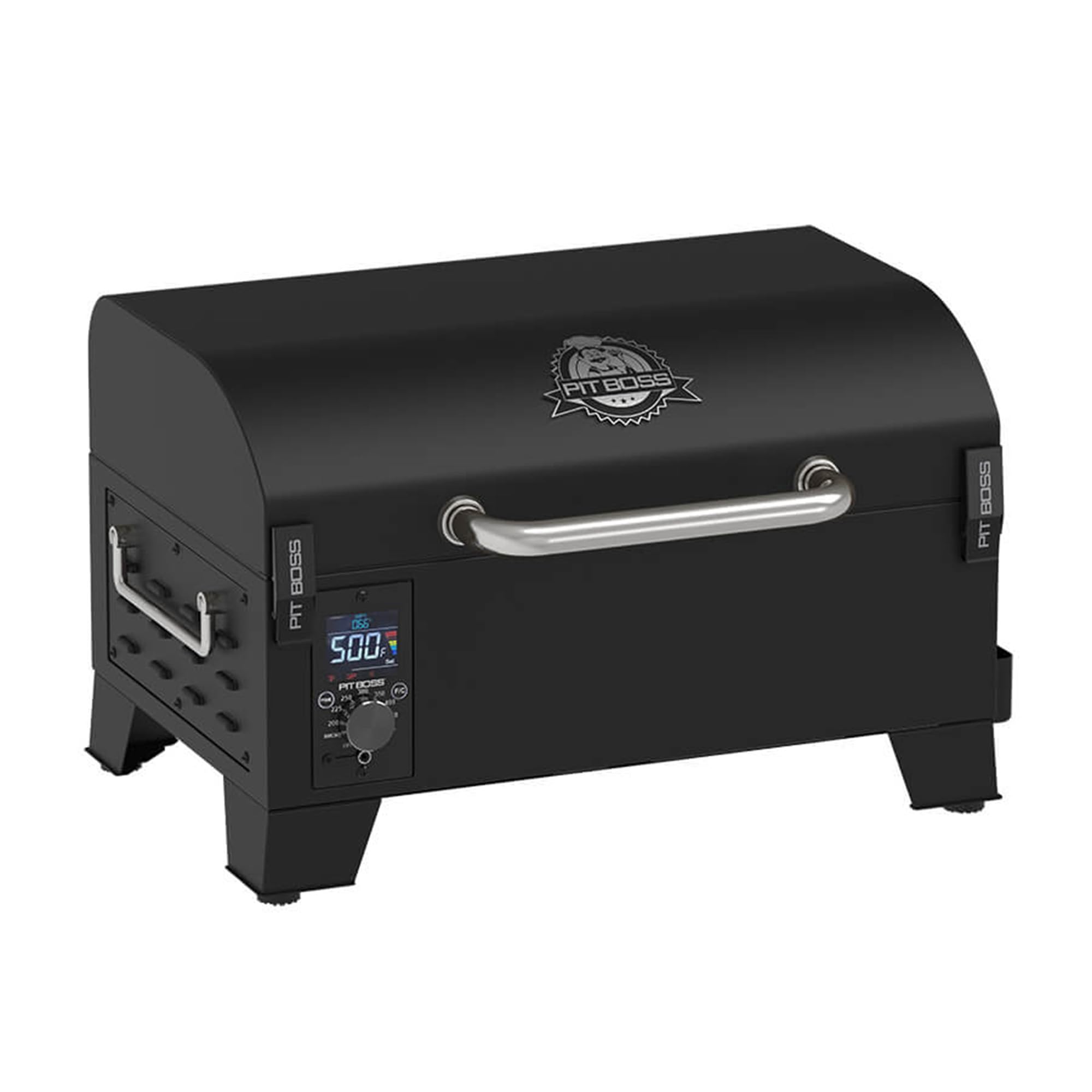
Pit Boss 150
Key Features
- Hopper: 7 lb
- Weight: 43 lb
- Warranty: 5-year
- Cooking area: 256 sq. in.
- Price: Budget
Built for the tailgate, the campsite and the small balcony: the Pit Boss 150 weighs 43 pounds, latches its lid, carries by two handles and holds 256 square inches of grate. We think it’s the one to buy if the grill has to travel — it lifts like a cooler, sets up on a picnic table in minutes, and at 24.8 by 18.6 by 14 inches it stows in the back of an SUV without a fight.
Small doesn’t mean toy. Two racks of ribs or a five- or six-pound brisket fit, the porcelain-coated grates even out the heat, and automatic start and cool-down cycles take the guesswork out of lighting it. The 180°F to 500°F range matches the full-size Pit Boss, and the five-year warranty is unusually long for something this size.
Two things to know before you buy. The temperature reading can sit well off the set point, so check the grate with your own probe on the first cook and learn the offset rather than trusting the dial. The lid gasket can also come apart early, which is a cheap fix and an annoying one. What surprised us is how little power it wants: it will run off a small generator at a campsite, which is the difference between smoking on a trip and not.
Pros
- 43 lb with a latch-locking lid for travel
- 256 sq. in. fits ribs or a small brisket
- Five-year warranty
Cons
- Temperature can read off the set point
- Lid gasket can separate early
For camping, tailgating and small balconies, this 43-pound tabletop grill does what a full-size one does in a fraction of the space.
Best for Budget Backyard Smoking
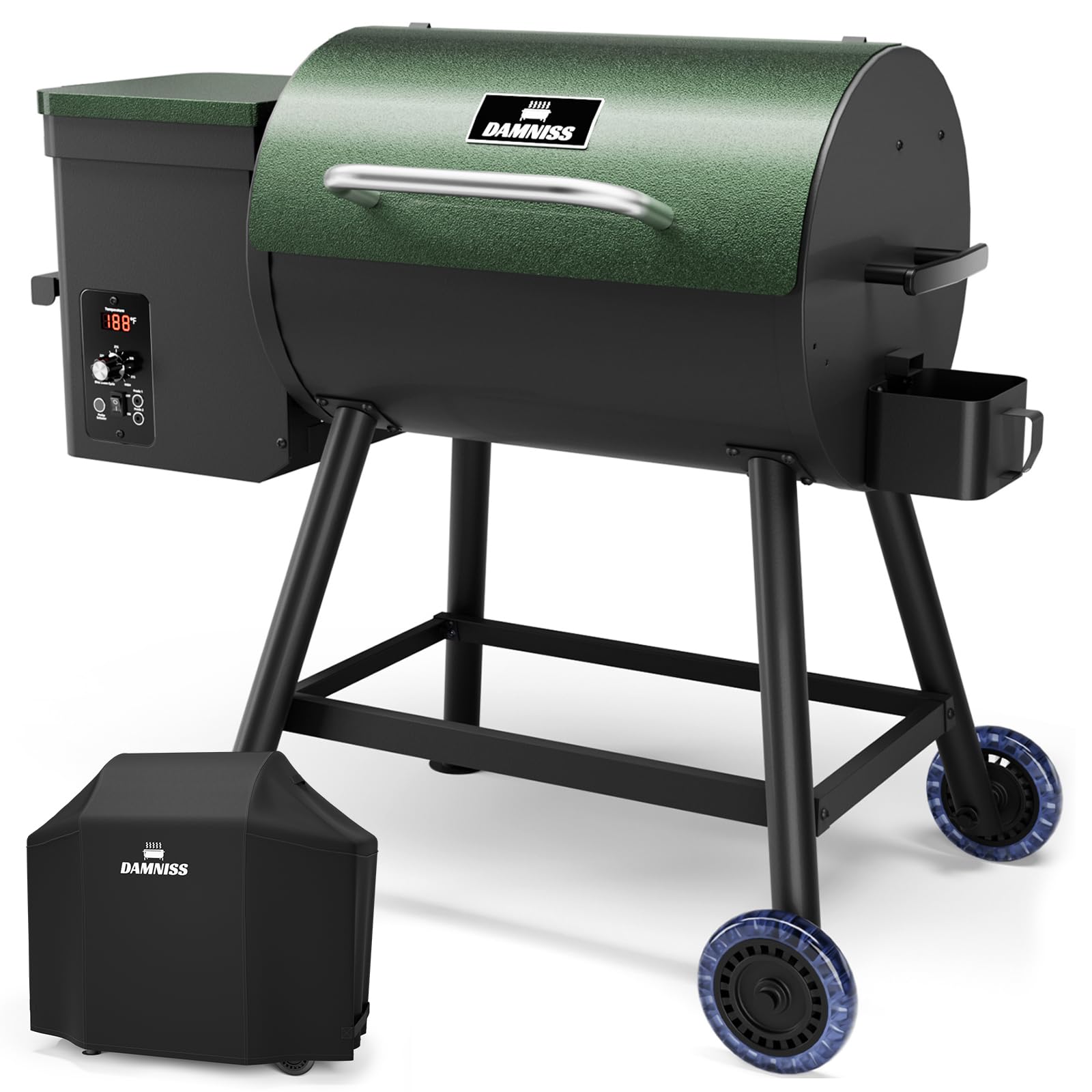
DAMNISS DAM-002
Key Features
- Body: Stainless steel
- Hopper: 11 lb
- Controller: PID digital
- Cooking area: 450 sq. in.
- Price: Budget
Most grills at this end of the market are powder-coated steel; the DAMNISS uses a stainless body, a thickened lid and cast iron grates, and it looks like more grill than it costs. What the photos don’t tell you is scale — the 450 square inches are real, but the chamber is shallower than the footprint suggests, so a big packer brisket will want trimming. Two racks of ribs, a five- or six-pound roast or a spatchcocked chicken are comfortable.
Where it earns its place is control. The PID comes up to temperature quickly and holds it, which is exactly the behavior you want in a first smoker, and the 11-pound hopper carries a long cook without a refill. We appreciate the practical touches: an ash clean-out, a removable grease tray, a rain cover and a pull-out fuel drawer. The fan is the part to watch over the long haul, so keep the receipt and register the warranty. For budget buyers, this is where we start.
Pros
- Stainless body and cast iron grates
- PID control holds a set temperature
- 11 lb hopper and pull-out fuel drawer
Cons
- Chamber is shallower than the footprint suggests
Budget buyers should start here: stainless steel, steady PID control and an 11-pound hopper at the lowest price of the full-size grills.
Best for First Pellet Grill
Traeger Pro 22

Key Features
- Hopper: 18 lb
- Probes: Two wired meat probes
- Cooking area: 572 sq. in.
- Max temperature: 450°F
- Price: Midrange
Eighteen pounds of pellets is the number that matters here. The Pro 22 carries the largest hopper in this group, which means an overnight brisket without a refill at two in the morning, and it comes with two wired meat probes so you can track the meat and the grate without lifting the lid.
Everything else is the recipe that made this the grill most people picture when they hear pellet smoker: 572 square inches, a 450°F ceiling, a digital controller and porcelain-coated grates on a powder-coated steel cart. It’s a 2014 design and that shows in small ways — the controller is simpler than the newer machines here, and the cart is heavy without being especially refined.
Our reservation is temperature. The set point and the grate don’t always agree, and a long cook can wander further than you might forgive on a gas grill, so plan on your own probe thermometer and give it twenty minutes to settle before you load the meat. Grates have flaked and carts have arrived dented, both worth checking before you assemble. None of that changes the appeal: a huge hopper, two probes and a cooking experience that converts people, at a midrange price.
Pros
- 18 lb hopper, the largest here
- Two wired meat probes included
- 572 sq. in. with a 450°F ceiling
Cons
- Temperature wanders past the set point
- Grates can flake and carts arrive dented
The easiest place to start smoking: 18 pounds of pellets, two probes and 572 square inches, provided you check the grate temperature yourself.
Best for Weeknight Smoking
Z Grills ZPG-450A2
Key Features
- Probes: One meat probe
- Included: Folding shelf and rain cover
- Controller: PID V3.0
- Cooking area: 459 sq. in.
- Price: Midrange
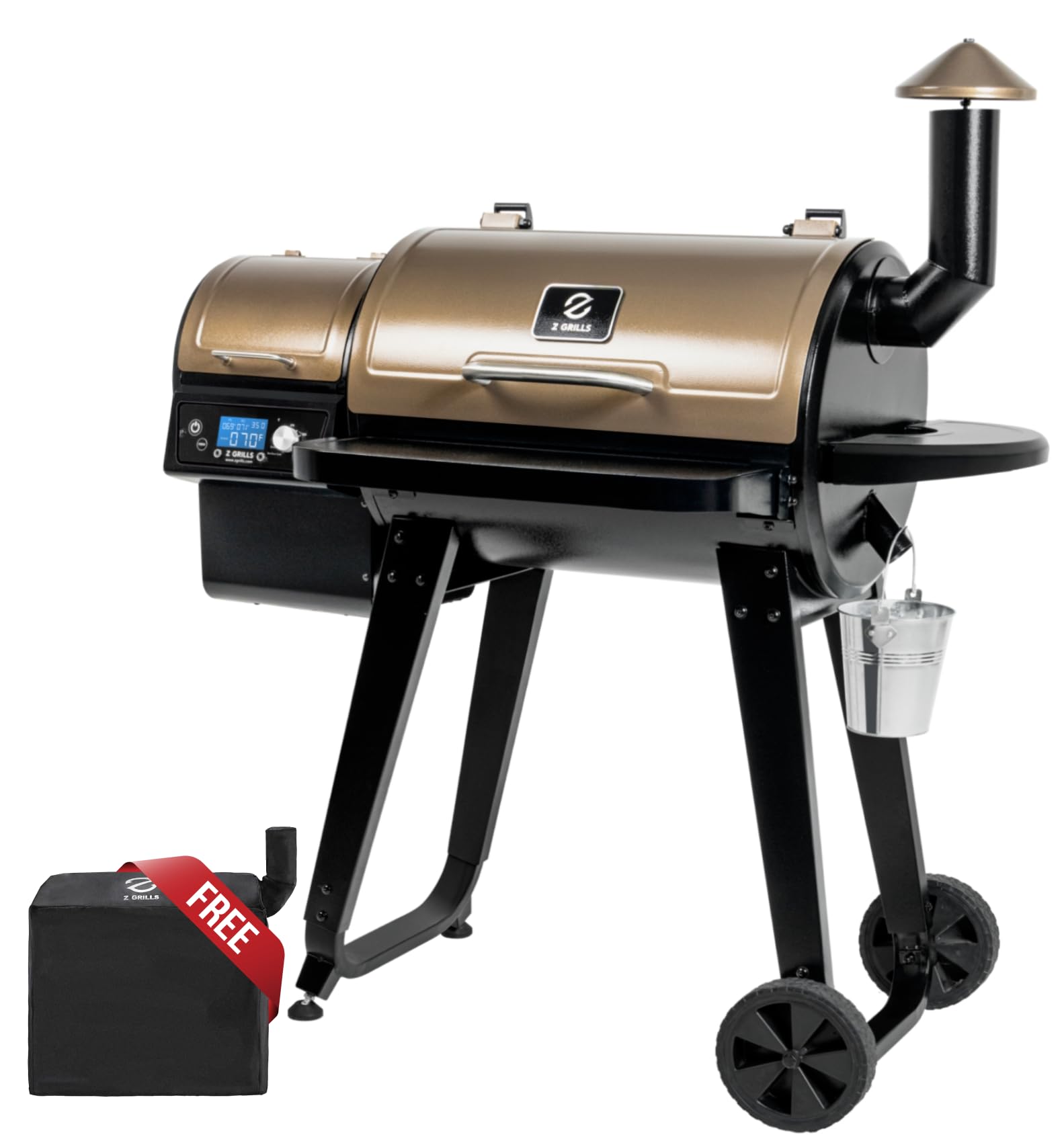
Nothing is wrong with how this grill starts a cook. It reaches a set temperature quickly, the LCD is easy to read, and the smoke it produces is as good as anything here. It’s the middle of a long cook that decides how you’ll feel about it, and that’s the part we couldn’t stop watching.
What it gets right is build and smoke. The steel feels sturdy, the folding front and side shelf gives you somewhere to set a tray, and the hopper cleanout and pellet view window mean you can change flavors and check levels without lifting a bag. A meat probe and a rain cover come in the box, and assembly is a two-person evening with directions that hold up.
The failures, when they come, cluster in two places: the auger that feeds pellets and the legs. An auger that quits mid-cook ends dinner, and legs that snap when you move the grill make a heavy machine harder to live with. Check both in the first month, while the return window is open. When this grill is running properly it earns its reputation — clean smoke, good food and a price that undercuts most of this group.
So this is our pick for someone who wants a lot of cooking area and will keep an eye on it. Lift the left side and it rolls on the right wheels, which matters more than it sounds when the patio is small. If you want to set a temperature and walk away for six hours, spend more.
Pros
- 459 sq. in. at a low price for the set
- Folding shelf and rain cover included
- Hopper cleanout and pellet view window
Cons
- Temperature drifts late in long cooks
- Auger and legs have failed
Lots of cooking area for the money, and a solid smoker on weeknights — as long as you keep an eye on the temperature.
Best for App-Guided Beginners
Brisk It Zelos-450
Key Features
- Hopper: 12 lb
- Connectivity: WiFi with AI cooking app
- Cooking area: 450 sq. in.
- Temperature range: 180–500°F
- Price: Midrange
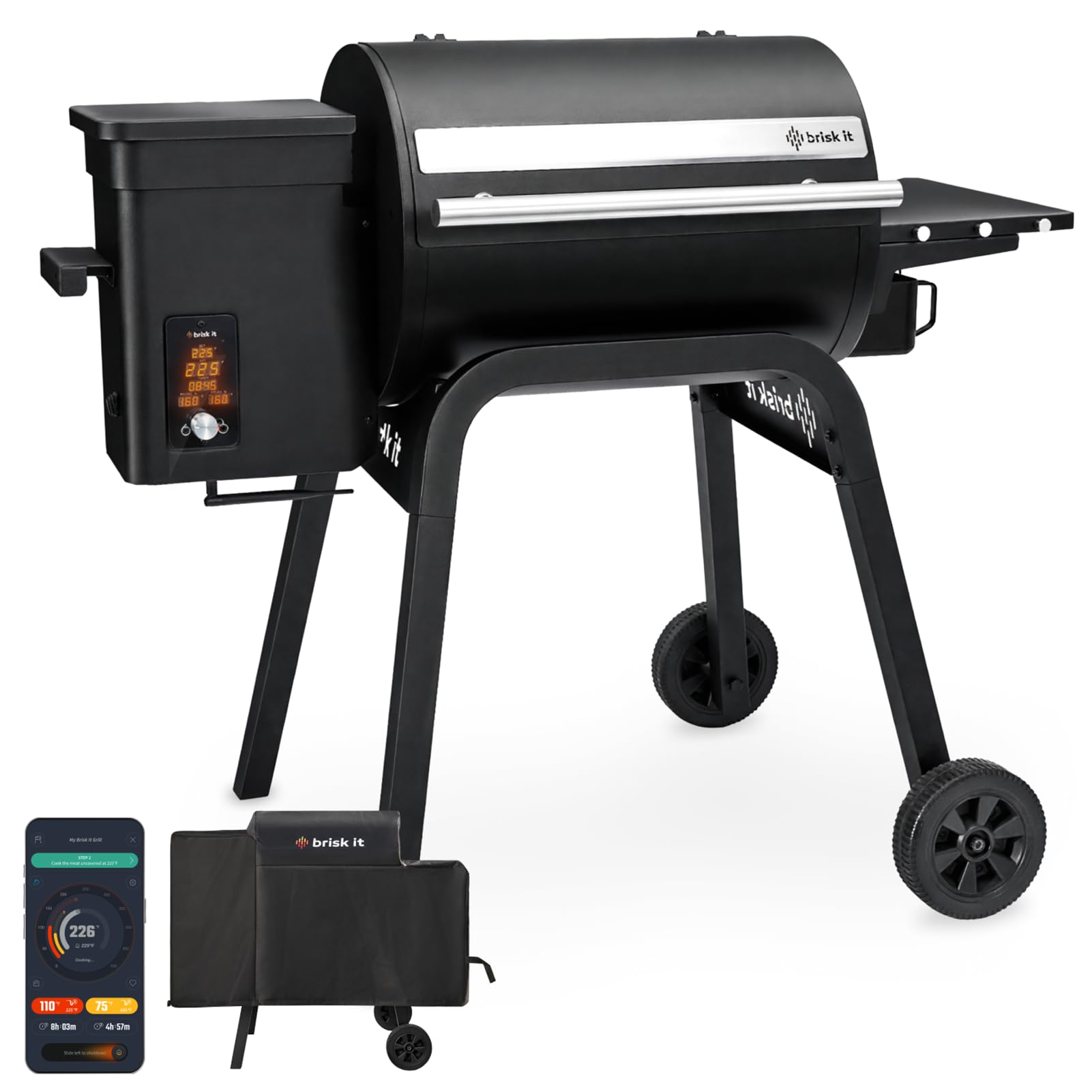
The pitch here is an assistant, not a grill: tell the Brisk It app what you’re cooking and it builds a cook, loads it to the smoker and walks you through the steps on your phone. We were skeptical, and then we used the guided cook for a pork shoulder because it handled the timing better than we did.
Underneath the software is a sensible 450-square-inch grill with an adaptive PID controller running 180°F to 500°F, a 12-pound hopper, stainless panels, a meat probe and a cover in the box. At 70.5 pounds it moves on its own, and the 500°F ceiling puts chicken skin and pizza within reach in a way the 450°F machines here can’t match.
The connection is the weak spot. Pairing took several attempts and the app wants an account before it does anything, which is a lot to ask before your first cook. Once it’s connected, monitoring holds up and the notifications are genuinely useful — and the guided recipes are what make this grill different from every other one here.
Whether that’s worth paying for depends on how you cook. If you’re learning and want a machine that holds your hand through a brisket, this is the most approachable grill in the group and the app is the reason. If you already know your way around a smoker, the same money buys steadier temperature elsewhere.
Pros
- Guided app cooks walk you through a smoke
- 180–500°F adaptive PID controller
- Cover and meat probe included
Cons
- WiFi pairing takes several attempts
- App requires an account before use
Beginners get the most help here: the app plans the cook and the grill runs it, with a 500°F ceiling for when you outgrow the training wheels.
What Eight Months With Seven Pellet Grills Taught Us
Our shortlist started with more than 20 pellet grills, then got cut down by the things that matter before you ever light one: cooking area, hopper size, controller type, included temperature probes, Wi-Fi and app support, and whether the price made sense for what came in the box. We ended up testing seven, assembling each in a driveway and timing how long it took one person to go from box to first burn. Along the way we checked lid alignment, wheel wobble, weld quality, and whether the heat deflector sat flush—small things that tell you how a grill will hold up.
Over eight months we cooked weeknight chicken thighs, weekend ribs, and one overnight pork butt on every grill. We logged grate-level temperature with a third-party probe every 15 minutes, opened the lid mid-cook to see how fast each recovered, and watched the smoke—thin and blue is what you want, not a thick white cloud that leaves bitter flavor. We also paid attention to the unglamorous stuff: how easy it was to swap pellet flavors, scrape the grease tray, and reach the fire pot for cleaning, plus whether the controller was readable at dusk.
For app and Wi-Fi, we started cooks from the grocery store and noted dropped connections, delayed alerts, and probe readings that missed our backup thermometer. After each session we checked burn-pot clogs, auger jams, paint peeling, and gasket wear; by the end, durability and build quality separated the grills that felt solid from the ones that felt like a kit. We weighed value last, comparing what each grill included against the competition—a second shelf or a cover can make a mid-priced grill the smarter buy. The seven that earned a spot weren’t the flashiest; they were the ones we stopped babysitting.
How to Choose a Wood Pellet Grill
The specification that decides whether you’ll love a pellet grill isn’t cooking area or maximum temperature — it’s how steadily the thing holds the temperature you set.
Start With the Controller, Not the Cooking Area
A pellet grill is an oven with a fire pot, and the controller is what turns a bag of pellets into a steady 225°F. Simple digital controllers cycle the auger on a timer; PID controllers measure the gap between the set point and the actual temperature and adjust feed and airflow to close it. That difference shows up two hours into a brisket, not on the showroom floor.
The trap is the range printed on the box. A 180°F to 500°F claim says nothing about how tightly the grill holds 225°F, which is where most of your cooking happens. Look for PID, then test the main grate with your own probe before you trust an overnight cook.
Match Cooking Area and Hopper to the Cook You Actually Do
Cooking area is where listings flatter themselves: the advertised number usually includes an upper warming rack, so a 700-square-inch grill may give you 500 on the main grate. As a rule, 250 to 450 square inches covers two to four people, 500 to 700 suits a family that entertains, and past 800 is for a crowd or a competitive streak.
Hopper size matters just as much. Five pounds is fine for burgers and will interrupt an overnight brisket; 11 to 18 pounds usually carries a long cook to breakfast. If you plan to smoke overnight, buy the hopper before you buy the grate.
Decide How Much Searing You Need
Every pellet grill smokes well; searing is where they separate. Most top out between 450°F and 500°F and cook by convection, which browns food nicely but won’t give you a cast-iron crust. A direct-flame broiler — a lever that slides the heat plate open under the grate — gives you a real sear zone, though it’s a small area over the fire pot, not the whole cooking surface.
If steak is the main event, buy a grill with a broiler or keep a gas grill alongside. If you’re cooking ribs, butts and chickens, 450°F is plenty and the money is better spent on a bigger hopper.
Cleanup and Assembly Are Part of the Price
Ash and grease are what make a pellet grill feel like work. A single keg that catches both, a pull-out tray, or a hopper cleanout turns a twenty-minute job into a two-minute one, and that’s the difference between a grill you light on Wednesday and one you save for weekends.
Assembly is the other hidden cost. Plan on an evening, a second person and a socket set, and don’t tighten anything until every bolt is threaded — cross-threading a leg on the first night is a miserable way to start.
Site It Before You Build It
Walk the spot where the grill will live before you assemble anything. These machines run from about 45 to 67 inches wide, and they have to sit outdoors on a level, non-combustible surface, clear of siding, railings and anything overhead. A porch corner that looked spacious will feel tight once a 67-inch grill is standing in it.
Measure the width and leave room for the lid to open, then buy a cover at the same time. A grill that lives outside without one ages twice as fast.
Frequently Asked Questions
Do pellet grills need to be plugged in?
Yes. The auger, the fan and the controller all run on electricity, so you need a standard outdoor outlet within reach of the cord, and a properly rated extension cord if you need one. Off-grid, a tabletop model is the practical choice — the 43-pound Pit Boss 150 will run off a small 2 kW generator.
How many pounds of pellets does a long cook burn?
Plan on roughly one to two pounds an hour at smoking temperatures, and more when you push toward 450°F or cook in wind and cold. That makes a 20-pound bag good for a couple of long cooks. Buy two bags before a brisket so you aren’t driving to the store at hour ten, and store them sealed and dry.
Can I leave a pellet grill running overnight?
Only outdoors, on a level non-combustible surface, with the grill clear of walls, railings and anything overhead, and with a full hopper so the fire doesn’t starve. Check the manual’s clearances and never do it under a deck or in a garage. Then set an alarm to check the hopper and the temperature once.
What should I check when the grill arrives?
Open the box and inspect the panels, legs and lid before you assemble, because dents in transit turn up across every brand here. Photograph anything bent, confirm the controller powers on, and register the warranty — coverage runs from five years on the Pit Boss 150 to ten on the Traeger Woodridge.
Final Verdict
The Traeger Woodridge is the grill we point most people to, and the reason is range: 180°F to 500°F with app monitoring covers an overnight pork butt and a weeknight chicken, and the ash-and-grease keg means you’ll actually clean it afterwards.
If the budget is the binding constraint, the Z Grills VC-700D6 gives up the last 50 degrees and gains insulation and a second probe for less. And if the grill has to leave the driveway, the 43-pound Pit Boss 150 is the only one here built for that.