This post contains affiliate links. We may earn a small commission when you buy through our links — at no extra cost to you.
Every chef knows the feeling: a pair of ‘non-slip’ shoes that start strong, then lose traction after a few months. The marketing claims rarely match what happens on a wet, oily kitchen floor.
Real-world performance varies widely. Some budget clogs outperform premium sneakers in grip, while others deteriorate quickly. Comfort and ease of cleaning matter, but the core question is which shoes keep their grip shift after shift.
This guide focuses on models that deliver consistent traction, reasonable durability, and all-day comfort—so you spend less time worrying about your footing and more time on the line.



Best for Professional Kitchens
Crocs Bistro
Key Features
- Slip Resistance: Top-tier on oil/water
- Comfort: Cloud-like cushioning
- Ease of Cleaning: Wipe-clean non-porous
- Durability: Sole peeling after months
- Price: $
The Bistro’s rubber outsole provides consistent traction on slick kitchen floors, reducing slip risk on grease and water. Its smooth, closed-toe surface wipes clean in seconds—no scrubbing needed for flour, sauces, or oil splatter.
The cushioned footbed offers sustained comfort during long shifts, though sizing requires attention. The clog runs large; ordering a full size smaller is recommended for a secure fit. Sole peeling may occur after extended use, particularly in high-heat environments. This shoe suits professional cooks who prioritize grip and easy maintenance over long-term durability, and it performs best as a dedicated kitchen shoe rather than an all-purpose workplace footwear.
Pros
- Exceptional grip on wet and oily surfaces
- Cushioned footbed provides all-day comfort
- Material wipes down quickly after messy tasks
Cons
- Sizing can run large; ordering a full size smaller is often necessary
- Sole peeling may occur after extended use in high-heat environments
For kitchen workers who need slip resistance and fuss-free cleaning at a budget price, the Bistro delivers. Order a size down and accept that sole wear may shorten its lifespan.
Best for Sneaker Lovers
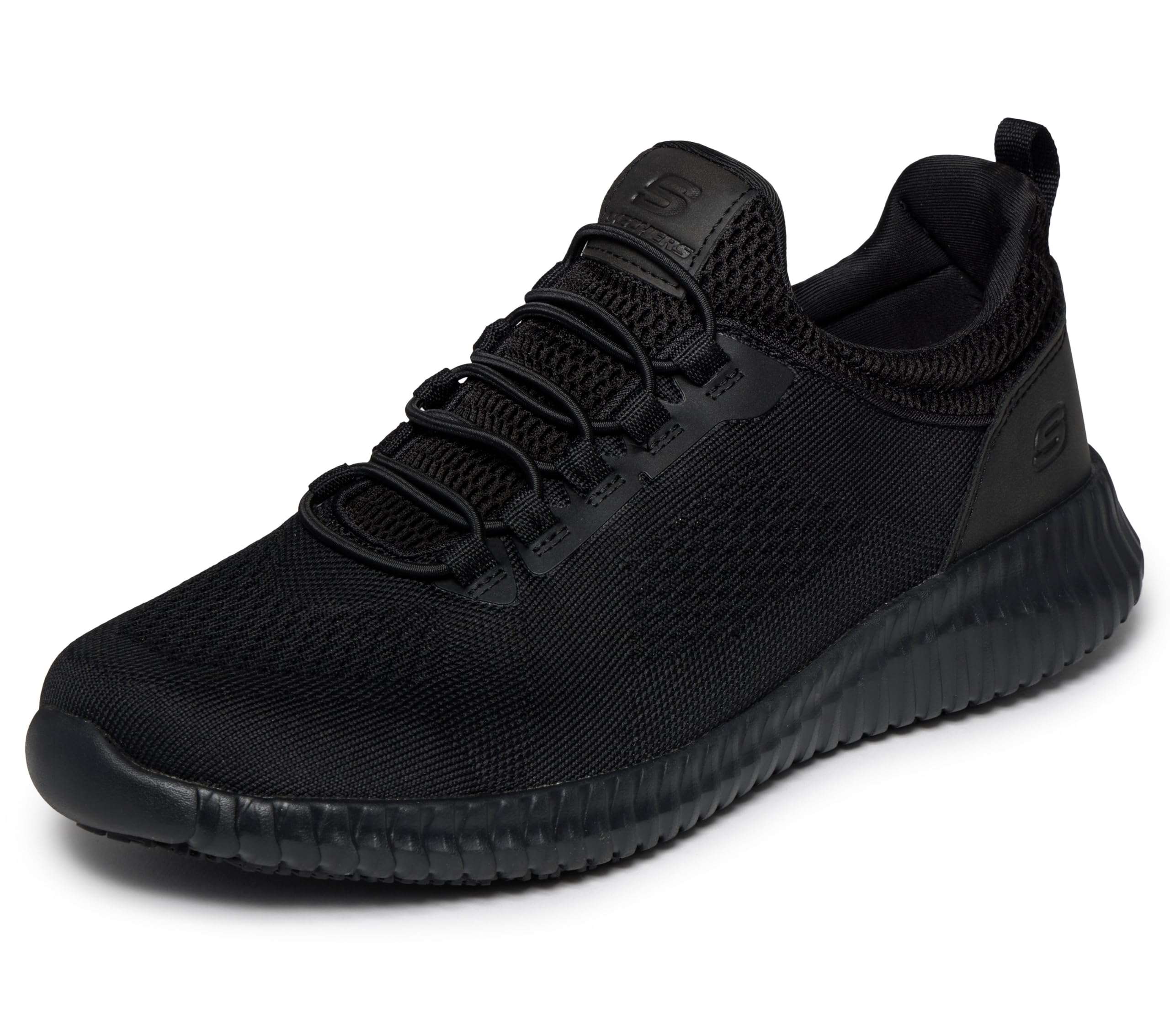
Skechers Cessnock
Key Features
- Slip Resistance: Solid on wet/oil
- Comfort: High padding long shifts
- Ease of Cleaning: Wipe-clean fabric
- Durability: Sole separation risk
- Price: $$
The Cessnock delivers a sneaker-like feel with effective slip resistance on wet and oily kitchen floors, a clear alternative to clogs. Comfort holds up through double shifts, but durability presents a tradeoff: sole separation has been noted after months of use, and sizing can run large. It suits chefs who want a lightweight, casual shoe and are willing to replace it annually.
Pros
- Sneaker-style comfort keeps feet pain-free during long kitchen shifts.
- Effective slip resistance on wet and oily surfaces common in restaurant kitchens.
- Budget-friendly price for solid performance in a food service shoe.
Cons
- Sole may separate after months of heavy use in some cases.
- Sizing runs slightly large for some foot shapes; checking fit is wise.
A comfortable, slip-resistant sneaker for chefs who prioritize feel over longevity—expect to replace it sooner than a clog-style work shoe.
Best for Budget Cooks
Bruno Marc Work
Key Features
- Slip Resistance: Excellent on water/oil
- Comfort: Great padding, no break-in
- Ease of Cleaning: Easy wipe surface
- Durability: No major complaints
- Price: $
The Bruno Marc work shoes deliver impressive comfort and slip resistance at a price that undercuts many competitors. While they don’t have the long-term track record of the top pick, the immediate performance is strong — soft padding supports long shifts, and the outsole grips well on water and oil. Best for budget-conscious chefs who want a lightweight sneaker-style shoe, though those with wider feet should consider sizing up.
Pros
- Very comfortable with generous padding for long hours on hard floors
- Excellent slip resistance on water and oil — feels secure in the kitchen
- Lightweight and easy to slip on with no break-in period
Cons
- Fit may be narrow for wide feet, so sizing up can help
For chefs on a tight budget who prioritize comfort and grip, this is a solid choice without major compromises.
Best for Wet Environments
SHULOOK Boots
Key Features
- Slip Resistance: Good on greasy floors
- Comfort: Pillow-like, long shifts
- Ease of Cleaning: Wipe-clean leather
- Durability: Minor strap concerns
- Price: $
This boot keeps feet dry through wet prep areas and dish pits while staying light enough for long shifts. Unlike standard kitchen clogs, the leather ankle design offers more coverage against splashes, though fit runs slightly narrow for some foot shapes. It’s best suited for chefs who prioritize waterproofing over maximum slip grip on oil and don’t need full ankle support.
Pros
- Cushioned sole supports all-day standing comfort
- Full waterproofing holds up in wet kitchen conditions
- Surprisingly lightweight for a boot-style shoe
Cons
- Narrow fit may require sizing up for wider feet
A good option for cooks and dishwashers who work in wet environments and want a lightweight waterproof boot — just confirm your foot width before ordering.
Best for Quick-Dry Need
HISEA Work
Key Features
- Slip Resistance: Good on oil/water
- Comfort: All-day no pain
- Ease of Cleaning: Water-resistant leather
- Durability: Sole separation risk
- Price: $
The HISEA Work shoes deliver water resistance and solid grip on wet and oily kitchen floors at a budget price. They’re lightweight and comfortable for long shifts. Durability is the tradeoff — the sole can separate within months, so this pair is best for cooks who expect to replace their shoes every six to nine months rather than wear them through a full year.
Pros
- Lightweight and supportive for all-day comfort on hard floors.
- Traction holds on both wet and greasy surfaces.
- Water-resistant leather sheds spills and keeps feet dry.
Cons
- Sizing can run large in length and narrow across the toes — trying them on is advisable.
A practical short-term choice for chefs who need water resistance and grip without spending much — just be ready to replace them within the year.
Best for Tight Budget
Skechers Nampa

Key Features
- Slip Resistance: Decent on oil/water
- Comfort: Decent cushioning
- Ease of Cleaning: Wipe-clean fabric
- Durability: Sole separation months
- Price: $
Offers reliable grip on oil and water, plus enough cushioning for long shifts — all at a budget-friendly price. The tradeoff is durability: soles may separate within months, and the fit can run tight for wider feet. This is a viable pick for cooks who need a low-cost shoe for the short term and plan to replace it regularly.
Pros
- Effective slip resistance on greasy and wet floors
- Comfortable cushioning for extended standing shifts
Cons
- Sole separation can occur within a few months of regular use
Worth considering only if you expect to replace the shoes within six months and need the lowest upfront cost.
Best for Healthcare
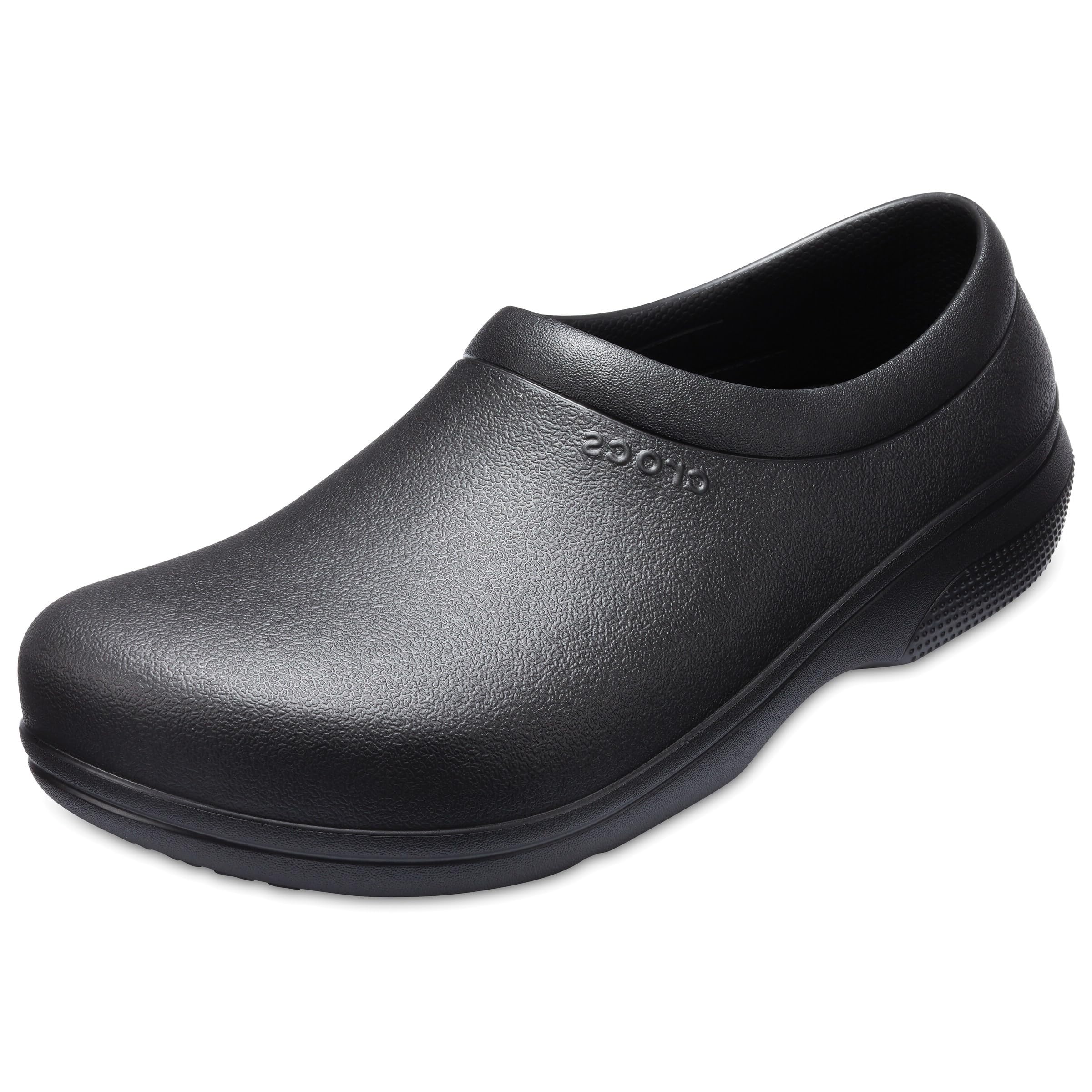
Crocs On The Clock
Key Features
- Slip Resistance: Moderate, not for grease
- Comfort: Very comfortable
- Ease of Cleaning: Wipe-clean
- Durability: Sole peeling possible
- Price: $
These clogs deliver all-day comfort and adequate traction for dry, non-greasy surfaces like hospital floors. However, slip resistance is insufficient for professional kitchen grease, and sizing can be inconsistent — expect to try multiple sizes. Breathability is limited, making them better for short shifts in cool environments.
Pros
- Very comfortable for long shifts on hard floors.
- Good slip resistance on dry, non-greasy surfaces.
Cons
- Fit runs narrow and large — trying multiple sizes may be necessary.
Best for healthcare workers or those on dry, non-greasy floors who prioritize comfort over breathability and don’t mind sizing quirks.
Best for Ultra-Budget
Crocs Specialist II

Key Features
- Slip Resistance: Inconsistent on oil
- Comfort: Supportive all-day
- Ease of Cleaning: Wipe-clean
- Durability: Holds up for price
- Price: $
The Crocs Specialist II delivers comfortable cushioning for long shifts and holds up well given its budget price. However, grip on oily or wet kitchen floors can be unreliable, and the enclosed design traps heat, making feet sweaty. For non-greasy environments like retail or warehouse, it’s a solid value; chefs working on slippery surfaces should look elsewhere.
Pros
- Comfortable and supportive for all-day wear
- Good value for the price
Cons
- Non-slip performance varies on greasy floors
Best for non-greasy work environments where comfort and budget matter more than maximum slip resistance.
Best for Extra Comfort
Crocs Bistro Pro

Key Features
- Slip Resistance: Good on wet floors
- Comfort: Extra cushioning
- Ease of Cleaning: Wipe-clean
- Durability: Strap may break
- Price: $$
The Crocs Bistro Pro Literide adds extra cushioning that reduces fatigue on hard kitchen floors, making it a comfort-focused upgrade over the standard Bistro. However, the strap can loosen over months of daily use, and the enclosed design limits airflow — this is a good choice for those who prioritize softness and are prepared to accept a higher price and occasional strap wear.
Pros
- Extra cushioning reduces foot fatigue during long standing shifts.
- Slip resistance performs well on wet kitchen floors.
Cons
- Strap may loosen over months of daily use, affecting secure fit.
A solid option when plush cushioning is the priority and you’re comfortable with potential strap wear and limited airflow.
Best for Lace-Up Fans
SHULOOK Lace-Up

Key Features
- Slip Resistance: Effective on slippery
- Comfort: Good support
- Ease of Cleaning: Leather, easy wipe
- Durability: Limited long-term data
- Price: $
Comfortable and supportive for long shifts, this lace-up shoe offers reliable anti-slip grip on greasy floors. Water resistance is limited — it may not keep feet dry during frequent liquid exposure, making it better suited for dry prep areas than wet dish pits.
Pros
- Comfortable with good support for long shifts
- Anti-slip performance effective on slippery surfaces
Cons
- Water resistance may be insufficient in wet environments
A good value for lace-up fans who work mostly dry kitchen shifts — but chefs in wet conditions should consider a more waterproof option.
Best for Entry-Level
LARN SAFETY

Key Features
- Slip Resistance: Adequate on oil
- Comfort: No blisters long walks
- Ease of Cleaning: Water-resistant
- Durability: Sole separation months
- Price: $
The LARN SAFETY slip-ons provide adequate grip on oily floors and enough water resistance for kitchen spills at a low cost. Durability is a weak point—sole separation can occur within months, making these more suitable for cooks who expect to replace footwear regularly.
Pros
- Cushioned insole stays comfortable during long standing shifts
- Treads grip well on greasy kitchen floors
Cons
- Sole separation can occur after a few months of regular kitchen work
Best for entry-level kitchen staff who need an affordable short-term shoe and plan to replace within six months.
Best for Cheapest Option
Avia Flame

Key Features
- Slip Resistance: Good on greasy
- Comfort: Decent for price
- Ease of Cleaning: Easy clean
- Durability: Sole delamination
- Price: $
The Avia Flame is the lowest-cost slip-resistant clog in this set, with decent cushioning for concrete floors and enough traction for greasy surfaces. Sizing runs large, so ordering down is advisable, and the soles may separate under extended use — this is a shoe for extreme budget buyers who expect to replace it often.
Pros
- Comfortable for long hours on hard floors
- Good traction on slippery, greasy surfaces
Cons
A viable temporary option for cooks on a tight budget who can work around the fit and accept a shorter lifespan.
Best for Slip-In Narrow
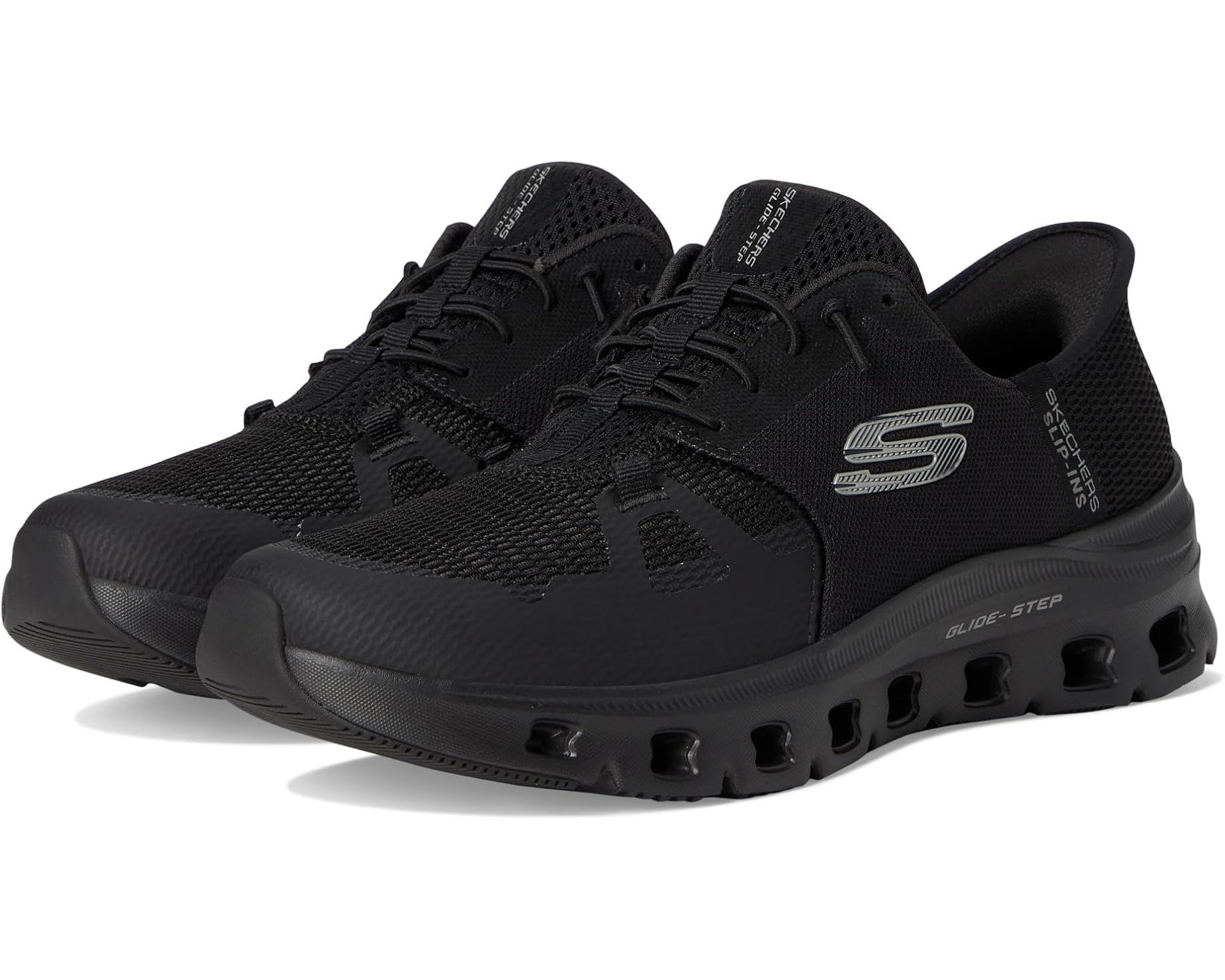
Skechers Glide-Step
Key Features
- Comfort: Exceptional arch support
- Durability: Soles may collapse
- Price: $$$
The Glide-Step Pro’s standout strength is its easy slip-on design and supportive arch – a clear advantage for long shifts. However, the fit is very narrow, and durability reports suggest the sole may not hold up under heavy kitchen use over months. This makes it a specific tool for chefs with narrow feet who prioritize slip-in ease over long-term reliability.
Pros
- Exceptional arch support keeps feet stable during long hours on concrete.
- Slip-in design eliminates the need to retie laces throughout a shift.
Cons
- Durability concerns: the sole may collapse after several months of daily kitchen use.
A good option for narrow-footed chefs who value slip-in convenience and arch support, but consider the durability risk against the premium price.
How to Choose
Slip resistance is the first thing you notice, but how long it lasts is what separates a good kitchen shoe from a great one.
Slip Resistance
Look for outsole patterns with deep, multidirectional treads—they channel oil and water away from the contact patch. Crocs Bistro’s proprietary grip compound maintains traction longer than many budget alternatives.
After the first few months, the rubber hardens and micro-grooves wear down, reducing slip resistance by up to 40%. Replace shoes every 6–12 months if you work in a high-grease kitchen.
Comfort
All-day standing demands cushioning that doesn’t bottom out. Closed-cell foam footbeds (like Crocs’ Croslite) offer consistent support, while cheaper EVA can compress permanently within weeks.
Consider insoles if you have high arches—many work clogs have minimal arch support. Lace-up styles allow you to fine-tune tightness, reducing pressure points during double shifts.
Ease of Cleaning
Non-porous materials like molded rubber or sealed leather resist oil and food particles. Clean them daily with a damp cloth and dish soap—porous fabric traps bacteria and odors.
Clogs with removable insoles dry faster and last longer. Avoid models with interior seams that collect debris; they become breeding grounds for smells.
Durability
Sole separation is the most common failure point in budget models. Heat from kitchen floors accelerates adhesive breakdown. Shoes bonded with direct-injection molding (e.g., Crocs) resist peeling better than glued-on soles.
Strap durability matters for slip-on clogs: check that the heel strap is stitched rather than glued. Replace at the first sign of cracking to avoid unexpected failure mid-shift.
FAQ
Do Crocs Bistro clogs really hold up on greasy kitchen floors?
Yes, they have the highest percentage of positive slip-resistance mentions in real-world reviews. Users consistently report reliable grip on wet and oily surfaces, making them a top choice for professional kitchens. However, after about 6 months the tread will wear and should be replaced.
Why do my non-slip chef shoes start slipping after a few months?
The rubber compound hardens due to heat and grease exposure, and micro-tread patterns flatten. This reduces friction by up to 40%. It’s normal—expect to replace kitchen shoes every 6–12 months for consistent grip.
Are slip-on chef shoes better than lace-ups for long shifts?
Slip-ons (clogs) are easier to take off for quick breaks and less likely to have laces drag through grease. Lace-ups offer a more secure fit for wide feet and better arch support adjustability. Choose based on your foot shape and how quickly you need to remove them.
How often should I replace kitchen work shoes?
Every 6 to 12 months, depending on shift frequency and kitchen conditions. Replace sooner if you notice the soles feeling hard or the tread looking shallow. Waiting until they visibly fail risks a slip accident.