This post contains affiliate links. We may earn a small commission when you buy through our links — at no extra cost to you.
Choosing the right flour can feel like a gamble – especially when gluten-free blends promise 1:1 substitution but disappoint in yeast breads. The key is understanding how protein content, grind, and additives affect results. This guide clarifies the trade-offs so you know exactly which flour to reach for.
From budget all-purpose for everyday baking to fine almond flour for keto desserts, each flour has a specific job. A bag that tears in transit is annoying, but the real issue is using the wrong flour for the recipe. Here we break down the specs that matter — protein, texture, and diet compatibility.
Whether you’re baking cookies, bread, or macarons, the right flour makes the difference between a flop and a triumph. These are the options that consistently perform for home bakers.


Best for Everyday Baking
Gold Medal All Purpose
Gold Medal All Purpose Flour provides consistent results across the full range of home baking – yeast breads rise properly, cookies hold shape, and pie crusts flake as intended. It handles savory tasks like thickening gravies just as well.
At a budget-friendly price per pound, this flour is one of the most cost-effective choices for everyday use. Large households or frequent bakers can stock up without stretching the grocery budget.
This bag is a practical fit for anyone who bakes regularly and wants to minimize cost. The thin paper packaging can tear during shipping, so plan to transfer the flour to an airtight container upon receipt. That simple step avoids mess and maintains quality. Those who require organic or unbleached flour should consider other options.
Pros
- Predictable performance across breads, cakes, and pastries – the same flour works for nearly any recipe.
- Budget-friendly price per pound – one of the cheapest options available without sacrificing quality.
- Handles both yeast doughs and delicate pastry, so one bag covers most baking needs.
Cons
For daily baking where cost matters most, this flour’s consistent results and low price are hard to beat – just be ready to repackage after delivery.
Best for Gluten-Free Baking
King Arthur GF Measure for Measure
Key Features
- Gluten-Free: Yes
- Organic: No
- Dietary Fit: Gluten-Free
- Price: $$
Unlike standard wheat flours that require recipe re-engineering, King Arthur’s Measure for Measure delivers the same results cup-for-cup without adding gums or adjusting liquids. It produces cookies, cakes, and pancakes that rise properly and hold together – a rare feat in gluten-free baking. This flour suits celiac and gluten-sensitive households that want a drop-in swap for daily use, but avoid using it for yeast breads; it lacks the protein structure needed for a good rise.
Pros
- True 1:1 substitution – measure for measure, no adjustments needed
- Produces light, non-crumbly baked goods that even non-GF eaters enjoy
Cons
- Texture can be slightly gritty for some users compared to wheat flour
The best gluten-free option for quick breads, cookies, and pancakes – just don’t expect it to work for yeast loaves.
Best for Keto & Paleo
Blue Diamond Almond Flour
The super-fine, silky texture of Blue Diamond’s almond flour eliminates the grittiness that plagues other brands, making it a top pick for macarons, keto desserts, and paleo baking. The almonds stay fresh with no bitter aftertaste, and the 3-pound bag offers better value per pound than smaller competitors. This flour suits gluten-free bakers and anyone needing a consistent finely ground almond flour. The bag’s resealable zipper may not stay closed in storage – a bag clip or transferring to a container sidesteps the issue, making it a minor inconvenience for the quality delivered.
Pros
- Finely sifted, silky texture gives smooth, even results in macarons and delicate bakes.
- Consistently fresh almonds with no bitter aftertaste – ideal for recipes where almond flavor matters.
- Cost-effective 3-pound bag offers better value per pound than smaller almond flour options.
Cons
- When storing the bag upright, the zipper may pop open – a bag clip or airtight container solves this.
For keto and gluten-free bakers who value a finely textured, fresh almond flour, this is the best value option – just keep a clip handy for storage.
Best for Artisan Bread
King Arthur Organic Bread Flour
Key Features
- Gluten-Free: No
- Organic: Yes
- Dietary Fit: High Protein
- Price: $$
With 12.7% protein and organic certification, this bread flour builds the gluten network needed for tall sourdough loaves and chewy pizza crusts. The silky texture makes dough easy to handle and produces crisp crusts with fluffy interiors. It’s formulated for yeast breads only – not a substitute for all-purpose in cakes or cookies. The 5 lb paper bag may arrive with tears during shipping, so transferring to a container is recommended.
Pros
- High protein content gives strong rise and open crumb for artisan breads.
- Organic certification without sacrificing performance or taste.
- Silky texture produces crisp crusts and fluffy interiors while being easy to work with.
Cons
- Paper bag may arrive with tears during shipping, creating a mess.
King Arthur Organic Bread Flour is the choice for bakers who prioritize organic ingredients and need high protein for strong gluten development – just plan for possible shipping mess.
Best for Gf Oat Baking
Anthony’s Oat Flour
Key Features
- Gluten-Free: Yes
- Organic: Yes
- Dietary Fit: Gluten-Free
- Price: $$$
Anthony’s oat flour stands apart from other gluten-free options with its exceptionally fine, silky texture that disappears into batters without the grittiness typical of homemade or coarser ground oat flours. It works as a direct swap for wheat flour in pancakes, cookies, and quick breads, delivering consistent results without dense or crumbly outcomes. Certified organic and batch-tested gluten-free, this flour suits celiacs and health-conscious bakers who prioritize purity. The premium pricing per pound means it’s best reserved for specialty baking rather than everyday bulk use.
Pros
- Exceptionally fine, smooth texture – no grit or clumps in batters.
- Certified organic and gluten-free, giving celiacs reliable peace of mind.
Cons
- Premium-priced per pound – more expensive than wheat flours, best for occasional specialty use.
A premium oat flour that delivers on texture and purity – best for dedicated gluten-free bakers who prioritize smoothness over cost.
Best for Grain-Free Baking
Bob’s Red Mill Coconut Flour
Key Features
- Gluten-Free: Yes
- Organic: Yes
- Dietary Fit: Keto/Paleo
- Price: $$$
Fine-textured coconut flour with a fresh aroma that integrates cleanly into keto and paleo baking. It pairs well with almond flour to balance moisture and structure, making it a reliable option for grain-free recipes. The organic and Fair Trade certification adds ethical assurance, though the 16 oz bag goes quickly for frequent bakers.
Best for keto and paleo bakers who prioritize ingredient sourcing and don’t mind smaller quantities. If you bake often with coconut flour, plan to buy multiple bags or look for bulk alternatives to keep cost per pound in check.
Pros
- Fine grind and fresh coconut aroma suit grain-free baking
- Works well with almond flour for improved texture and moisture
- Organic and Fair Trade certified for ethical sourcing
Cons
- Small 16 oz bag requires frequent repurchase for heavy users
- Premium-priced per pound compared to other gluten-free flours
A quality grain-free flour for those who value organic and Fair Trade sourcing, but the small bag and higher per-pound cost mean it’s best for occasional keto/paleo bakers or those willing to stock up.
Best for Pizza Making
King Arthur 00 Pizza Flour

This finely milled 00 flour produces light, airy crusts with the leopard spotting and chew expected from wood-fired pizzerias. The dough handles smoothly and shapes without sticking. However, the per-pound cost is higher than all-purpose flours, and the specialty grind makes it less useful for cookies, cakes, or everyday baking. For casual bakers, the difference may not justify the premium.
Pros
- Produces leopard-spotted crust with a light, airy, chewy texture.
- Dough is smooth, non-sticky, and shapes well, even for beginners.
Cons
- Per-pound cost may be higher than all-purpose flour, a tradeoff for budget-conscious or occasional bakers.
For home pizza enthusiasts with a pizza steel or oven that can reach high temperatures, this flour delivers professional-grade crust that justifies the extra expense over all-purpose flour.
Best for Sourdough & Rye
King Arthur Medium Rye
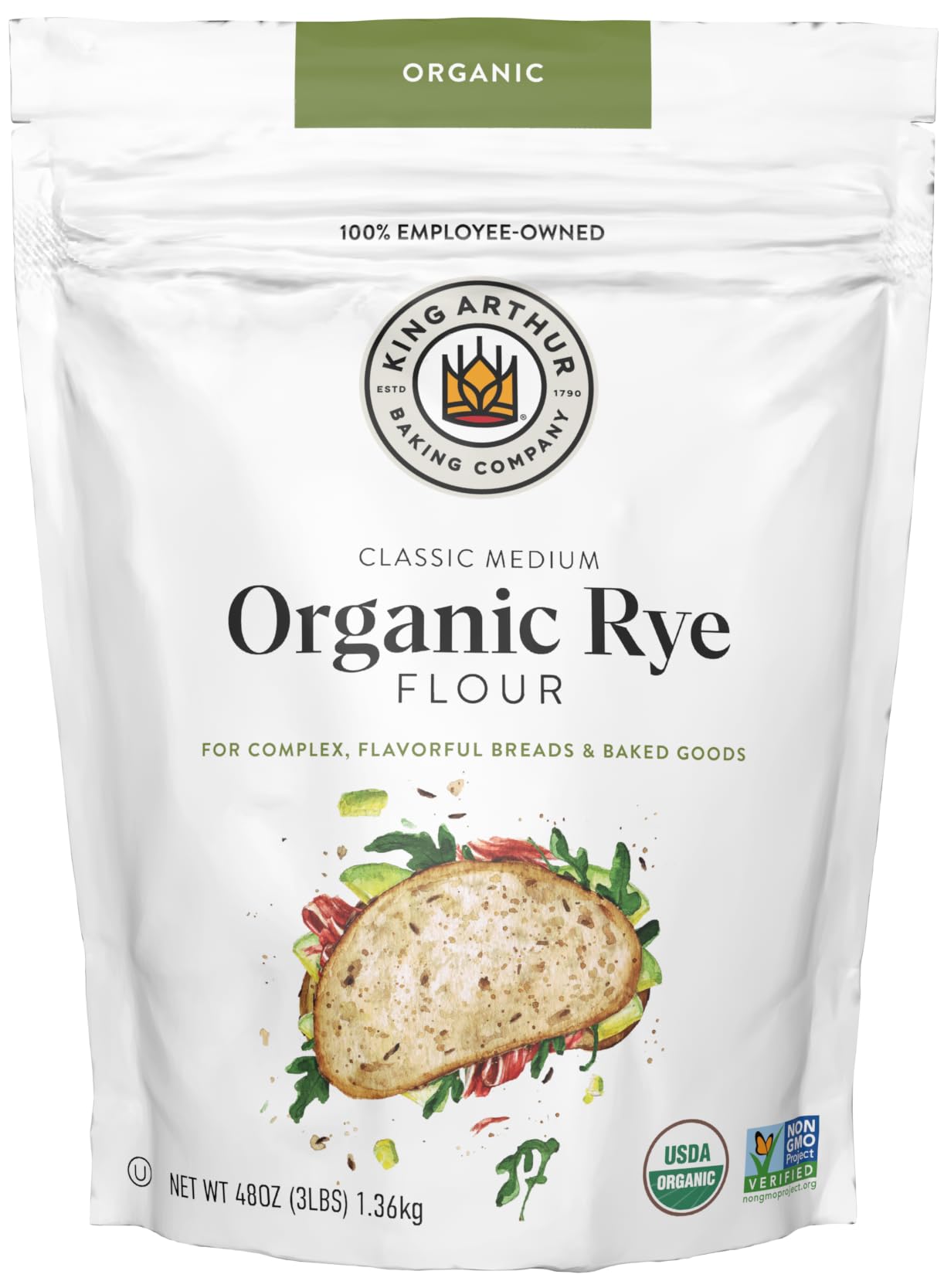
This organic medium rye flour delivers a noticeable flavor boost to sourdough starters and adds deep, tangy complexity to rye breads and blended loaves. The higher bran content gives a denser crumb and fuller taste compared to white rye or all-purpose flours. However, this is a niche product: it only suits bakers who regularly work with rye or maintain a sourdough starter. If you bake mostly standard wheat breads or cookies, you’ll need to adapt recipes significantly.
Pros
- Feeds sourdough starter with nutrient-rich bran, accelerating tangy flavor development.
- Adds authentic rye depth and structure to traditional loaves and blended bakes.
Cons
- Medium grind with bran produces denser results; not a substitute for white rye or all-purpose flour in standard recipes.
Grab this bag if you maintain a sourdough starter or bake dense European rye breads regularly — it outperforms supermarket rye in freshness and flavor, but casual bakers should stick to all-purpose.
Best for Bulk Baking
King Arthur AP 10 lb

King Arthur’s unbleached all-purpose flour delivers 11.7% protein for stronger doughs and consistent results across bread, cookies, and cakes. It’s a step up in cost per pound from the budget Gold Medal option, so frequent bakers who want premium performance without organic pricing will find good value here. The paper bag may split during shipping; plan to transfer to a container.
Pros
- Higher protein than standard all-purpose flours for bakery-quality bread.
- Cost-effective per pound compared to smaller bags, ideal for heavy use.
Cons
- Paper bag can split during delivery, causing flour spillage in the box.
Best for home bakers who go through flour quickly and want unbleached quality without paying organic prices — just plan ahead for the bag.
Best for Budget Baking
Amazon All Purpose Flour

Amazon Grocery’s 5 lb bag costs less per pound than any other all-purpose flour and delivers reliable results in cookies, breads, and thickening. The thin paper bag may arrive torn or leaking in transit, so plan to transfer it to an airtight container. No unbleached option – for that, Gold Medal offers more consistent packaging for a few cents more.
Pros
- Lowest price per pound of any all-purpose flour – ideal for budget-conscious bakers.
- Solid everyday performance in cookies, breads, and sauces without off-flavors.
Cons
- Thin paper bag may arrive torn or leaking during shipping in some cases.
Best for extreme budget bakers who plan to transfer flour to airtight containers and can accept the occasional mess. Skip it if you need unbleached or organic flour.
Best for Organic Budget
365 Organic All Purpose

This 5-pound bag of organic all-purpose flour costs significantly less than premium organic brands like King Arthur, making it a practical choice for those watching their budget. It performs well in everyday baking and sourdough. However, some bags may arrive with off-odors or short expiration dates, so inspection upon delivery is wise. The quality consistency doesn’t reach the level of top-tier organic flours, but the price advantage is clear.
Pros
- Organic certification at a budget-friendly price per pound.
- Delivers consistent results for everyday baking and sourdough.
Cons
- Some bags may have off-odors or short expiration dates; inspect upon arrival.
Best for shoppers who want organic flour at minimal cost and are willing to check each bag upon arrival.
Best for Unbleached Budget
365 All Purpose Flour

For budget-conscious bakers, this unbleached all-purpose flour delivers good quality and enriched vitamins at a low price. However, some bags may arrive with insect contamination or off-odors, and the thin packaging can tear during shipping. It’s a solid option if you’re willing to check the bag immediately and don’t require the consistency of brands like King Arthur.
Pros
- Budget-friendly unbleached flour with solid everyday baking performance
- Enriched with vitamins and minerals for a better nutritional profile
Cons
- Quality control can vary – insect contamination or off-odors reported in some bags
Best for budget shoppers who can inspect the bag immediately and accept the occasional risk; King Arthur unbleached offers more consistent quality for a few dollars more.
Best for Pasta & Pizza
King Arthur Semolina

King Arthur’s semolina delivers the high protein content needed for chewy, elastic pasta and pizza dough. Its advertised coarse grind, however, isn’t consistent — some bags arrive finely ground, missing the texture expected for certain breads and couscous. This makes it a gamble for anyone needing a truly coarse semolina.
Pros
- Adds strength and nutty flavor to fresh pasta and pizza dough.
- Dusts pizza peels effectively, letting dough slide off without sticking.
Cons
- Grind can be finer than expected, not the coarse texture needed for certain breads or couscous.
Good for pasta makers who prioritize protein content and don’t need a coarse texture for crust or couscous. If coarse grind is critical, consider Bob’s Red Mill semolina.
Best for Small Organic
King Arthur Organic AP 2 lb

Key Features
- Gluten-Free: No
- Organic: Yes
- Dietary Fit: Organic AP
- Price: $$$
This organic all-purpose flour has a smooth texture and clean, non-GMO ingredient profile. The tradeoff is the bag size: at 2 lb, the cost per pound is high compared to larger options. It works for occasional bakers or anyone sampling organic flour before committing to a bigger purchase.
Pros
- High-quality organic flour with smooth texture and great taste
- Certified organic and non-GMO – clean ingredient profile
Cons
- Very small bag for the price – poor value per pound compared to larger options
Buy this only if you need a small organic bag to test or bake occasionally; heavy users will get better value from larger King Arthur bags.
Best for Whole Grain Bread
King Arthur Whole Wheat

This whole wheat flour delivers a robust, flavorful loaf with a noticeably finer texture than typical whole grain options — no gritty mouthfeel. The 2 lb bag is compact, however, so heavy users will need multiple bags or a larger alternative like Bob’s Red Mill. Best reserved for occasional baking or those testing whole wheat without committing to bulk.
Pros
- Produces flavorful whole wheat bread with a good rise, especially in bread machines and sourdough.
- Finer grind than many whole wheat flours — no unpleasant grit in the final crumb.
Cons
- At only 2 lb, the bag is small for regular whole wheat bakers who go through flour quickly.
A quality whole wheat flour for light users or first-time whole grain bakers who want smooth texture without buying a large bag.
How to Choose
The single most important factor in choosing a flour is matching the protein content to your recipe’s structural needs.
Protein Content
Protein determines gluten development – higher protein (12-14%) gives bread its chew and rise, lower (8-10%) keeps cakes tender. All-purpose flour sits around 11%, a compromise that works for most everyday baking.
If you want a bakery-style crust on pizza or artisan loaves, choose bread flour. For delicate pastries, lower-protein pastry or cake flour avoids toughness. Switching between types without adjusting liquids can change the final texture dramatically.
Gluten-Free Blends
Not all gluten-free flours are created equal. Some contain pre-added xanthan gum to mimic gluten’s elasticity; others require you to add it yourself. A 1:1 blend like King Arthur Measure for Measure simplifies substitution in non-yeast recipes.
For yeast breads, a general GF blend lacks structure. You’ll need a dedicated bread mix or add vital wheat gluten (if tolerated) to achieve a decent rise. Always read the label – blends marked ‘cup-for-cup’ are not all interchangeable.
Grind Fineness
Grind size matters most for nut flours and specialty grains. Almond flour that is ‘finely sifted’ produces smooth macarons and tender cookies; coarse grinds lead to gritty textures. Oat flour labelled ‘finely ground’ avoids the grittiness that ruins otherwise good pancakes.
For wheat flours, 00 grade (Italian-style) is extra fine and ideal for pizza and pasta. Whole wheat flours vary – some are stone-ground and coarser, while others are roller-milled to a fine powder. Check the package description if smooth texture is a priority.
Organic Certification
Organic flours are grown without synthetic pesticides and often milled with the bran and germ intact, which can affect freshness and shelf life. They typically cost 30-50% more than conventional versions.
The trade-off: organic flours may spoil faster due to less processing. Buy in sizes you’ll use within a few months and store in a cool, dark place. For everyday baking, non-organic flours perform identically at a lower price.
Dietary Alignment
Keto and paleo diets rely on low-carb flours like almond and coconut. These don’t behave like wheat – they absorb more liquid and require extra eggs or fat. Recipes designed for these flours are essential; swapping one for another rarely works.
Coconut flour is especially thirsty: it can soak up four times its weight in liquid. Start with a trusted recipe and measure by weight for consistent results. Oat flour, while gluten-free if certified, is not low-carb and fits a whole-food, plant-forward diet.
FAQ
What is the best flour for keto baking?
Almond flour and coconut flour are top choices. Blue Diamond Almond Flour is finely ground and widely trusted. Note: coconut flour absorbs more liquid, so follow recipes specifically designed for it rather than substituting directly.
Can I use regular all-purpose flour instead of bread flour?
Yes, but bread will be less chewy and rise less due to lower protein. For soft sandwich loaves or pizza, it’s fine. For artisan loaves with an open crumb, use bread flour (12-14% protein) for the best structure.
Why does my gluten-free flour taste gritty?
Many gluten-free blends use rice flour that isn’t finely ground. Look for blends that specify ‘finely sifted’ or use almond or oat flour for smoother texture. King Arthur Measure for Measure is one of the least gritty options.
How long does almond flour last after opening?
Store in an airtight container in the fridge or freezer. It lasts 3-6 months refrigerated, up to a year frozen. Rancid almond flour smells bitter – discard if off. The resealable zipper on many bags fails, so transfer to a jar or use a clip.