This post contains affiliate links. We may earn a small commission when you buy through our links — at no extra cost to you.
Walk through any grocery aisle and the salt section tells a confusing story. Himalayan pink, Celtic grey, flaky sea salt, kosher—each claims to be the best, but most shoppers grab whatever is cheapest or prettiest without considering how grain size and mineral content actually behave in the pan.
The real divide isn’t between sea and land: it’s between finishing salts built for texture and all-purpose salts built for control. Flaky crystals crumble beautifully over a steak but dissolve too fast for brines. Coarse Himalayan grinds add crunch but need a mill. Unrefined salts pack trace minerals but often arrive damp or gritty.
This guide breaks down the grain, source, and intended use behind each type so you can match a salt to your actual kitchen habits—whether you’re seasoning by pinch, sprinkling over caramel, or filling a grinder for daily meals.


Best for Finishing, Baking
Maldon Sea Salt Flakes 20 oz
Key Features
- Grain: Flaky
- Source: Sea
- Intended Use: Finishing
- Price: Premium
The signature pyramid-shaped flakes deliver a delicate crunch and a clean, bright saltiness that lifts the flavor of finished dishes without overwhelming them. This texture and taste have made Maldon a fixture in professional and home kitchens alike, working equally well on grilled meats, roasted vegetables, and even caramels or chocolate chip cookies.
Maldon is best reserved for finishing rather than heavy cooking, where the high price per ounce becomes a real consideration. It suits home cooks who want a top-tier finishing salt for special meals, bakers who need a crunchy topping, and gift givers looking for a reliable kitchen staple. Those who prefer a fine salt for shakers or need a bulk option for everyday seasoning should look elsewhere.
Pros
- Exceptional flaky texture that adds a light crunch to finished dishes
- Clean, bright flavor that enhances food without harsh saltiness
- Works on everything from steaks to desserts as a finishing touch
Cons
- Price per ounce is premium compared to bulk salts; best used for finishing, not everyday cooking
- Pyramid flakes do not flow through standard salt shakers; intended for hand-sprinkling
Maldon remains the gold standard for finishing salt – expensive per ounce, but the texture and flavor are unmatched for that role.
Best for Cooking, Baking
Diamond Crystal Kosher 3lb
Key Features
- Grain: Kosher flake
- Source: Kosher
- Intended Use: All-Purpose
- Price: Budget
Diamond Crystal’s Kosher Salt is lighter and less dense than typical kosher salts, giving chefs precise control when seasoning by hand. The flaky crystals adhere well to food and dissolve quickly, with a clean taste free of additives. This makes it ideal for bakers who weigh ingredients and for anyone who prefers to season gradually. However, its lower sodium density means you’ll need to adjust volumes if you’re accustomed to Morton’s or other denser salts. A 3-pound box at a cost-effective price makes it a staple for serious home cooks.
Best for cooks who rely on touch and weight-based recipes rather than fixed volume measurements — the main tradeoff is the need to adjust when switching from a denser salt.
Pros
- Light, fluffy crystals that adhere well and dissolve quickly.
- Clean taste with no metallic aftertaste.
- Less salty by volume, allowing gradual seasoning control.
Cons
- Requires recipe adjustment if coming from denser salts like Morton’s.
For everyday cooking and baking, this is the cost-effective choice that professional kitchens rely on — just adjust your measurement if switching from a denser salt.
Best for Grinders, Cooking
The Spice Lab Pink Himalayan 2.2lb
Key Features
- Grain: Coarse
- Source: Himalayan
- Intended Use: Cooking
- Price: Mid-Range
This pink salt delivers a consistent coarse grain that works well in standard salt mills, producing a mild, clean flavor that doesn’t overpower dishes. The 2.2-pound bag provides good value for regular cooking and grinding needs. However, the coarse texture means it’s strictly for grinders – not suitable for shakers or as a fine finishing salt. Best suited for health-conscious cooks who want mineral-rich salt for daily use without the premium price of specialty finishing salts.
Pros
- Consistent coarse grain that grinds evenly in most salt mills.
- Mild flavor that enhances food without excessive saltiness.
Cons
If you need a dependable bulk Himalayan salt for your grinder, this bag offers reliable quality at a fair price.
Best for Health, Cooking
Redmond Real Sea Salt 26oz
Key Features
- Grain: Fine
- Source: Ancient seabed
- Intended Use: All-Purpose
- Price: Mid-Range
Redmond Real Sea Salt draws its sweet-savory flavor and mineral richness from an ancient Utah seabed, making it a go-to for health-conscious cooks. The fine grind can have a gritty or sandy texture, which becomes noticeable when used as a finishing salt. For cooking and baking where the salt dissolves, this is rarely an issue. It suits keto and paleo dieters seeking natural electrolytes and anyone who values mineral content over a perfectly smooth finish.
Pros
- Unique sweet-savory flavor that avoids bitterness
- High in natural trace minerals (60+)
- Unrefined and recommended for health-focused diets
Cons
- Fine grind can feel gritty or sandy when used as a finishing salt
A strong everyday cooking salt for those prioritizing mineral content and flavor, but not the best choice for a delicate finishing sprinkle.
Best for Baking, Cooking
Amazon Grocery Sea Salt 16oz
Key Features
- Grain: Fine
- Source: Sea
- Intended Use: All-Purpose
- Price: Budget
For everyday cooking and baking, the Amazon Grocery Sea Salt delivers solid performance at a fraction of the cost of premium finishing salts. While it lacks the delicate flakes of Maldon for final sprinkling, its fine grind dissolves quickly and provides clean, neutral saltiness ideal for soups, pasta water, and baked goods. This salt suits budget-conscious cooks and large families who prioritize value over finishing texture, though the grind may be slightly coarser than true fine — less of an issue for dissolving in recipes than for shaker use.
Pros
- Cost-effective 16-ounce bag without sacrificing basic quality
- Clean, neutral flavor enhances most recipes
- Dissolves quickly for even seasoning in doughs and batters
Cons
- Grind may be coarser than expected — fine for dissolving but less suitable for shaker finishing
The best value salt for everyday cooking and baking — no frills, no flaws that matter for most kitchen tasks.
Best for Finishing, Gift
Saltverk Icelandic Flaky 3.17oz
Key Features
- Grain: Flaky
- Source: Icelandic
- Intended Use: Finishing
- Price: Luxury
Saltverk’s flaky crystals deliver a delicate crunch and a subtle, clean mineral taste that lifts steaks, seafood, and even caramel desserts. The sustainable geothermal production adds a unique backstory, but the real draw is the texture — lighter and more brittle than typical pyramid salts, it shatters pleasantly on the tongue.
This is a finishing salt for special occasions. At 3.17 ounces, the jar is small and the price per ounce is high, so it doesn’t make sense for everyday seasoning or baking. Buyers who want a sustainable luxury touch for finishing dishes will appreciate its character; anyone looking for a versatile cooking salt should look at a larger, more affordable option like our top pick Maldon.
Pros
- Clean, mineral-forward flavor with a delicate crunch that enhances rather than overpowers
- Flaky texture shatters beautifully on food, ideal for finishing steaks, seafood, and desserts
- Carbon-neutral production from Icelandic geothermal energy appeals to sustainability-minded cooks
Cons
- Premium price for a 3.17 oz jar limits it to occasional finishing rather than daily use
If you value a unique, sustainably sourced finishing salt with a delicate crunch and don’t mind paying for the experience, Saltverk delivers — but for everyday cooking, a larger, more affordable salt like Maldon makes better practical sense.
Best for Hydration, Cooking
Celtic Sea Salt Light Grey 1lb

Key Features
- Grain: Coarse
- Source: Celtic
- Intended Use: Cooking
- Price: Premium
The robust mineral flavor and 70+ trace minerals make this a compelling choice for cooking and hydration. The naturally damp texture means it won’t flow freely through standard grinders without prior drying. For dishes where moisture isn’t an issue—stews, soups, or sole water—this salt delivers a complex, earthy taste that refined salts lack.
Pros
- Rich, complex flavor enhances cooking without harshness
- High mineral content supports hydration with magnesium and potassium
Cons
- Naturally moist texture can clog grinders and requires drying before use
Best for hydration water, cooking, and any application where the salt’s dampness doesn’t interfere with the intended use.
Best for Grinder, Bulk
Soeos Himalayan Coarse 2.4lb

Key Features
- Grain: Coarse
- Source: Himalayan
- Intended Use: Cooking
- Price: Mid-Range
For everyday cooking and seasoning, this salt delivers good color and a subtle saltiness at a low cost per pound. The coarse crystals, however, may be too large or hard for some grinders — a tradeoff to check against your equipment.
Pros
- Vibrant pink crystals look appealing in glass grinders.
- Subtle, not overly salty flavor enhances dishes without overpowering.
Cons
- Crystal size can be too large for certain grinders, and some pieces may be harder than expected.
A solid choice if you have a sturdy grinder and want a large supply of pink salt for daily cooking at a low price.
Best for Shaker, Cooking
Sherpa Pink Extra-Fine 2lb

Key Features
- Grain: Extra-fine
- Source: Himalayan
- Intended Use: All-Purpose
- Price: Mid-Range
Extra-fine grain dissolves quickly and is ideal for shakers, with a clean taste that enhances food. The main limitation is that grind consistency can vary between batches — some are coarser than the advertised extra-fine. This makes it a decent option for everyday use if you don’t need perfectly uniform grains, but buyers who require a consistently ultra-fine powder may want to look elsewhere.
Pros
- Clean, mild flavor enhances food without overpowering.
- Budget-friendly price for a 2-pound bag of fine pink salt.
Cons
- Grind consistency can vary between batches, with some being coarser than expected.
A practical choice for those who want a fine pink salt for shakers and everyday cooking, provided batch variation isn’t a dealbreaker.
Best for Health, Hydration
Baja Gold Fine 1lb
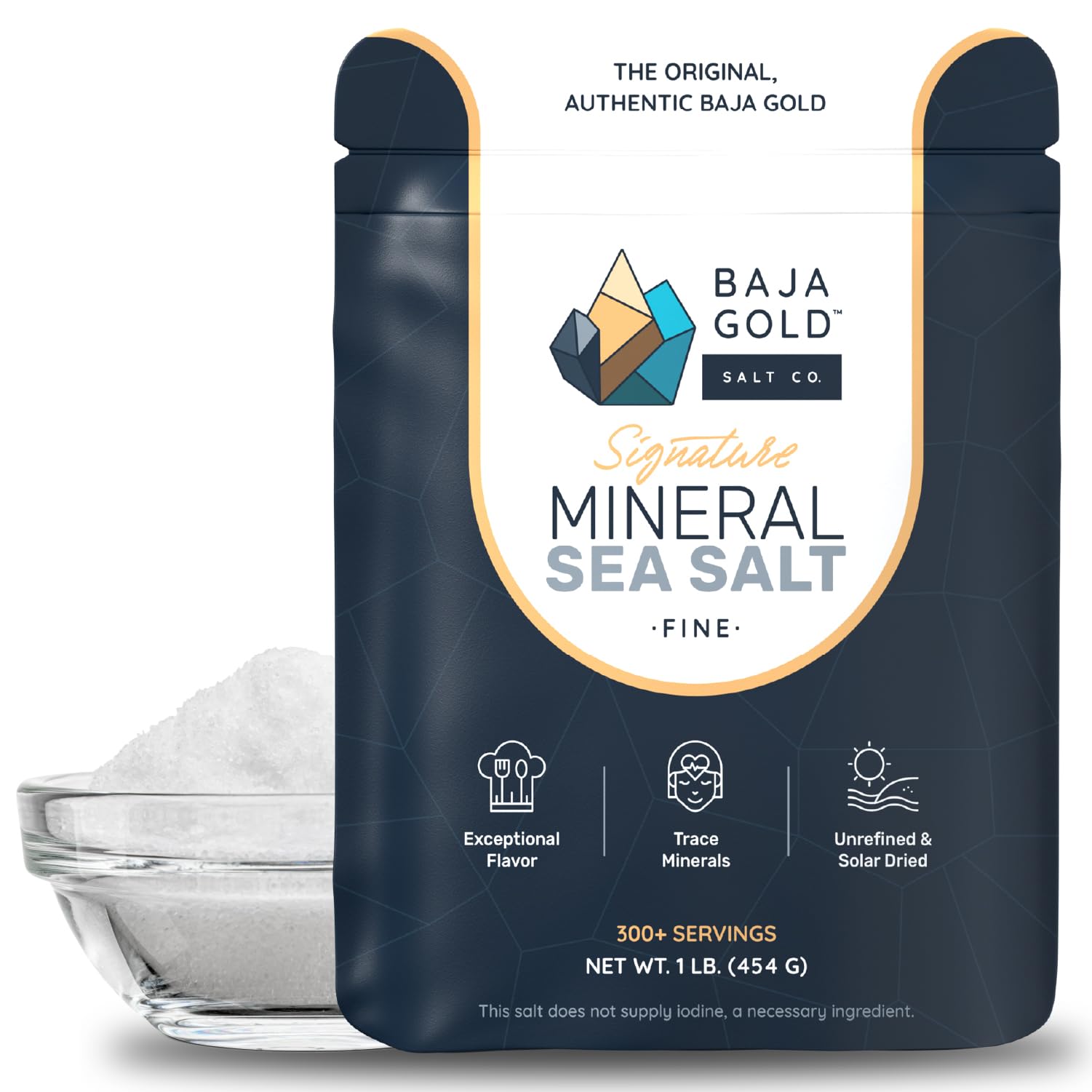
Baja Gold delivers a lower-sodium salt rich in magnesium and potassium, with a clean flavor that enhances dishes without overpowering. However, the natural moisture content causes clumping—it’s not suitable for standard shakers unless dried first. The premium price and moisture issue make it a niche choice best suited for Gary Brecka followers or those prioritizing mineral intake over convenience.
Pros
- Rich in magnesium and potassium with lower sodium than table salt
- Clean, mild flavor that enhances cooking without being overpowering
Cons
- Naturally moist salt can clump, making it impractical for standard shakers without drying
Best for Gary Brecka followers who want a low-sodium mineral salt for hydration or finishing dishes; skip if you need a free-flowing shaker salt.
Best for Bulk, Grinder
Himalayan Chef Coarse 5lb

Key Features
- Grain: Coarse
- Source: Himalayan
- Intended Use: Cooking
- Price: Budget
This 5-pound jar delivers the lowest per-pound cost among Himalayan coarse salts while maintaining good flavor and grinder-friendly crystals—ideal for bulk buyers. However, the plastic jar’s seal can arrive broken or missing, which may lead to moisture or contamination. Those who prioritize packaging integrity should consider a competitor like the top pick.
Pros
- Great value for bulk quantity
- Good taste and quality
Cons
- Plastic jar seal may arrive broken or missing, risking moisture or contamination
Best for bulk buyers who don’t mind checking the seal on arrival and prioritize low cost above packaging perfection.
Best for Gift, Finishing
Le Saunier Fleur de Sel 125g

Key Features
- Grain: Flaky
- Source: French Camargue
- Intended Use: Finishing
- Price: Premium
This salt’s delicate flakes add a pleasant crunch and subtle sweetness to finished dishes, and the cork-topped container is attractive and reusable. However, some reviewers question the authenticity of the fleur de sel label, and the price per ounce is steep.
Pros
- Delicate flavor that enhances dishes
- Beautiful packaging and appearance
Cons
- Price per ounce is high for a finishing salt
Best suited as a gift for someone who values attractive packaging and a French finishing salt, rather than for everyday use.
How to Choose
The biggest mistake is choosing a salt by its source rather than its grain size and intended use.
Grain Size
Grain size determines how salt behaves during cooking and at the table. Fine grains dissolve instantly, making them ideal for baking and seasoning liquids. Coarse grains take longer to dissolve, providing a burst of crunch when used as a finishing touch. Flaky salts have large, thin crystals that crumble easily and adhere to food without dissolving, perfect for last-minute sprinkling.
The hidden trade-off: coarse and flaky salts can feel gritty if used as a direct substitute for fine salt in recipes. A coarse grain requires a grinder or mortar to break down, while flaky salts lose their texture when heated too long. Match the grain to the cooking method—fine for even distribution, coarse for salt mills, flaky for final garnish.
Source
Source influences mineral profile and flavor nuance. Sea salt is evaporated from ocean water and often retains trace minerals that add complexity. Himalayan pink salt is mined from ancient salt deposits and gets its color from iron oxide; its mineral content is similar to sea salt despite marketing claims. Kosher salt is a specific flake shape originally designed for koshering meat, but its light texture makes it a favorite for professional kitchens.
The actual taste difference between sources is subtle—most people cannot distinguish sea from Himalayan in a blind test. The main practical difference is texture: kosher and sea salts are often flakier than dense rock salts. Source matters most for those seeking specific trace minerals (like magnesium in Celtic salt) or avoiding additives (iodized table salt).
Mineral Content
Unrefined salts (Celtic, Redmond, Baja Gold) advertise 60+ trace minerals, including magnesium, potassium, and calcium. These minerals can contribute to a slightly different flavor—Redmond is described as subtly sweet, Celtic as complex. However, the quantity of these minerals is too small to significantly impact daily nutrition unless consumed in unusually large amounts.
The trade-off is moisture retention. Unrefined salts lack anti-caking agents and often contain residual brine, making them damp or sticky. This can clog grinders and cause clumping. If you want the mineral profile without the moisture, look for dried versions or expect to store them in a vented container with a few grains of rice to absorb humidity.
Price per Ounce
Finishing salts like Maldon and Saltverk can cost four to ten times more per ounce than basic commercial salts. The price reflects labor-intensive harvesting (hand-raking, solar evaporation) and unique crystal shapes that can’t be mechanically replicated. For daily cooking, these premiums are wasted because the texture dissolves or gets masked by other ingredients.
The sweet spot for everyday use is a mid-range kosher or Himalayan salt priced between $0.30 and $0.50 per ounce. For finishing, expect to spend $1–$3 per ounce. A single 8-ounce jar of luxury flakes can last months if used only as a final touch. Don’t overspend on boutique salts for the pantry; reserve them for dishes where texture and appearance are front and center.
Intended Use
Cooking salts need to dissolve evenly and provide consistent salinity. Fine and kosher salts excel here because they dissolve quickly and can be measured by volume (though kosher is less dense, requiring adjustment). Baking demands precise measurement—weight is always better than volume for any salt type, but fine salts are most reliable.
Finishing salts are about texture and visual impact. Flaky crystals on a steak or salted caramel create a crunchy pop that coarse salts can’t match. For salt grinders, coarse grains (typically Himalayan or rock salt) are essential because fine salt will just fall through the mechanism. Hydration enthusiasts using salt for sole water or electrolyte drinks should choose unrefined fine salts that dissolve completely without grit.
FAQ
Why is my Celtic sea salt wet?
Celtic sea salt is naturally moist because it undergoes minimal processing and retains residual brine. This moisture gives it a unique damp, clay-like texture that many hydration enthusiasts prefer but can clog standard grinders. To use it in a grinder, dry the salt overnight in a low oven (200°F) or switch to a coarse version meant for grinding. For cooking, the moisture doesn’t affect performance.
Is Diamond Crystal kosher salt less salty than Morton’s?
Yes, by volume. Diamond Crystal’s flaky crystals are lighter and less dense, so a teaspoon contains about half the sodium of Morton’s kosher salt. If a recipe is written for Morton’s, you need roughly double the volume of Diamond Crystal to achieve the same saltiness. For best results, switch to weight measurement: Diamond Crystal weighs about 0.7 gram per teaspoon, Morton’s about 1.3 grams.
What’s the difference between fleur de sel and regular sea salt?
Fleur de sel is hand-harvested from the top layer of salt ponds, forming delicate, irregular flakes that are often slightly moist. It has a milder, more complex flavor and a crunchy texture that disappears quickly on the tongue. Regular sea salt is machine-harvested from the entire bed, producing uniform grains with a straightforward saltiness. Fleur de sel is a finishing salt—it loses its character if cooked.
Can I use Maldon salt for cooking instead of just finishing?
You can, but it’s not cost-effective and the texture is wasted. Maldon’s pyramid flakes dissolve almost instantly in hot food, losing the crunch that makes it special. For simmering sauces or pasta water, a budget fine salt works identically at a fraction of the cost. Reserve Maldon for last-minute sprinkling on steaks, roasted vegetables, or desserts.
How do I prevent unrefined salt from clumping?
Store unrefined salts (Redmond, Celtic, Baja Gold) in an airtight container away from steam and humidity. Add a few raw rice grains to absorb excess moisture, or keep the bag in a dry pantry with a silica gel pack. If clumps form, break them with a fork—they dissolve normally during cooking. Avoid storing these salts in a shaker near the stove or sink.